


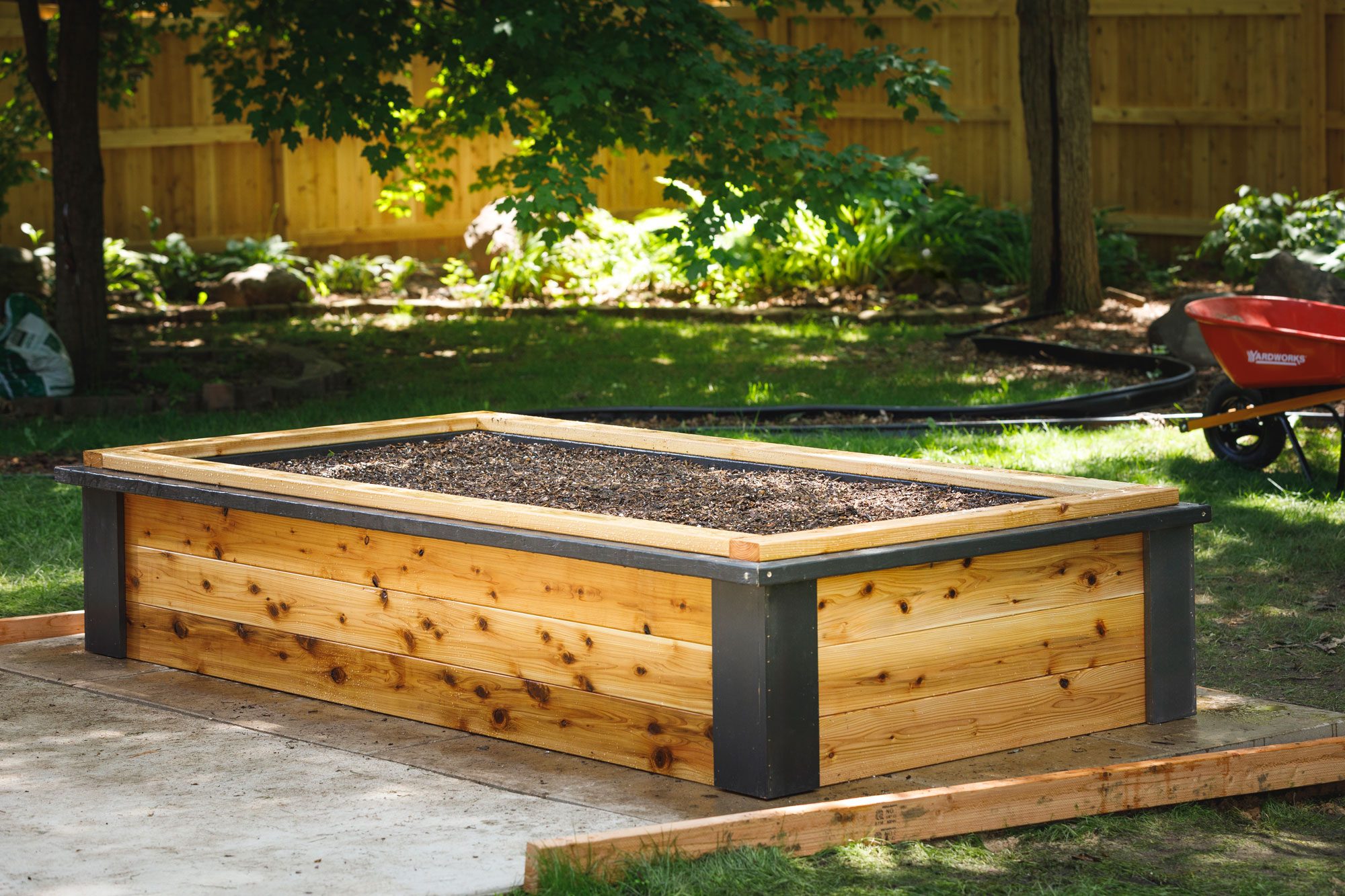
The DIYer's guide to filling raised garden beds correctly.
 Time
Time A half day
 Complexity
Beginner
 Cost
Cost$100 to $500
Introduction
Create ideal growing conditions for vegetables and flowers by discovering how to fill a raised garden bed with properly layered elements.
I pride myself on having a green thumb. This I know: plants will thrive if you pay attention to them, and the best running start you can give any raised bed garden is found in the layers you create to fill it. Each layer has a purpose, and all layers combined will contribute to a healthy and bountiful harvest.
I recently built a mini greenhouse with a raised garden bed, and I’m happy to report that my veggies are thriving. Not to mention, the butter lettuce and carrots I planted from seed are already peeking through with green growth and are off to a great start. At the end of the day, a garden isn’t about the green thumb; it is about applying the knowledge. Here I share with you the layers I used to fill my raised bed garden.
Happy Harvest!
Filling raised garden beds
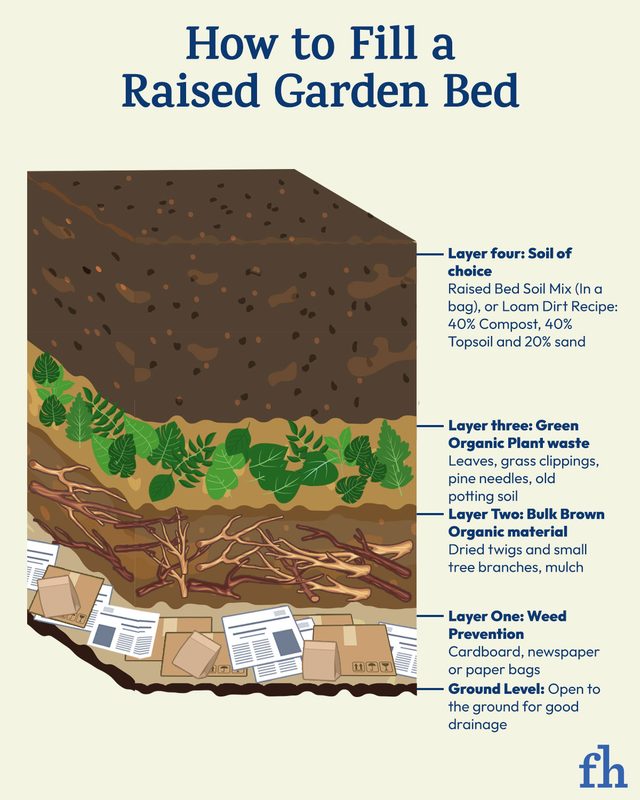
For a raised bed garden, the bottom 1/3 of it will be composed of three layers. And the top 2/3 will be your dirt mix of choice. The goal is to ensure your plants feel comfortable and allow their roots to find their way as they grow.
Gardening bed liner
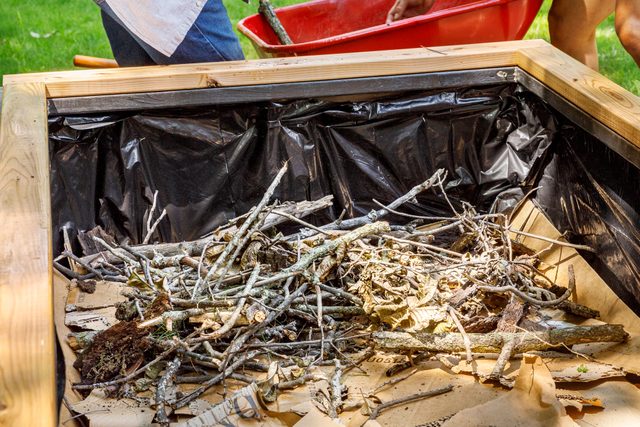
If the raised bed box is made of wood, you may opt to line the walls with a 3-mil plastic liner. This will serve as a barrier between the wood garden bed and the moisture-laden soil and give the raised garden bed a longer life. Do not line the bottom of the raised bed garden with plastic, as this would prevent the water from draining properly and will affect your plants with root rot, fungus or disease.
Tools Required
- Garden shovel
- Gardening Gloves
- Rake
- Rubber mallet
Materials Required
- Bagged raised bed soil
- Cardboard
- Compost
- Green organic plant waste
- Newspaper
- paper bags
- raised garden bed soil in a bag or loam soil
- Twigs and branches
Project step-by-step (6)
First Layer: Weed Prevention
To prevent weeds from growing into your garden bed, lay an organic base layer that will drain well when you water your garden. Cardboard, newspapers or paper bags are great choices.
Use a few landscaping pins to secure your weed layer to the ground, keeping it from shifting as the other layers are piled on top of it.

Second layer: Bulk Brown Organic material
Fill about a sixth of the depth of your raised garden bed with twigs and small branches (under two inches in diameter) that will fill some of the space yet break down and contribute healthy nutrients to the soil. Do not place large wood logs as part of this layer. Although they take up space, they also do not break down quickly and, if waterlogged, may introduce unwanted molds or spores into your garden.

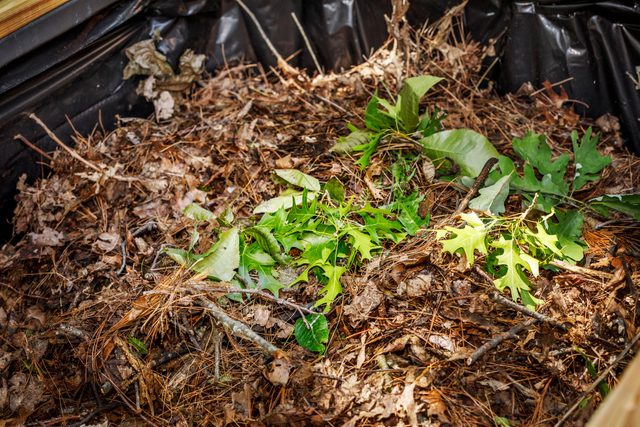
Third layer: Green Organic Plant waste
Next, add a layer about a sixth of the depth of your raised garden bed of organic plant waste: dried leaves, chemical-free grass clippings, pine needles, and other decaying plant matter. This is also the layer to add old potting soil from container gardens. Compost in the process of decomposition also works well in this layer.
Note: When adding green plant waste, be cautious to avoid adding weeds that can take root and spread in your garden.
Fourth Layer: Raised bed Soil mix
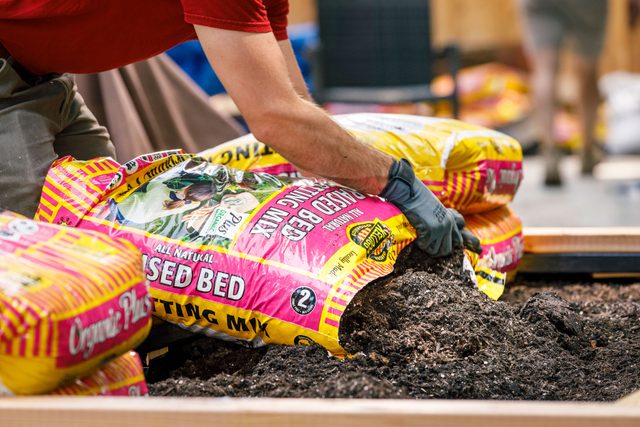
Fill the final 2/3 of the raised garden bed with “Organic Raised Bed Soil Mix.” Most nursery websites will have a soil calculator to help determine exactly how many cubic square feet or bags of soil you will need to fill the raised bed.
Because this is a considerable space to fill, mixing your own dirt may be challenging, but it is always doable.
An ideal garden soil mix for growing plants and vegetables can be made by mixing 40% compost, 40% topsoil, and 20% sand. Additionally, you can add peat moss, but not too much since it will bog down and make the dirt heavy.
Water your raised bed garden
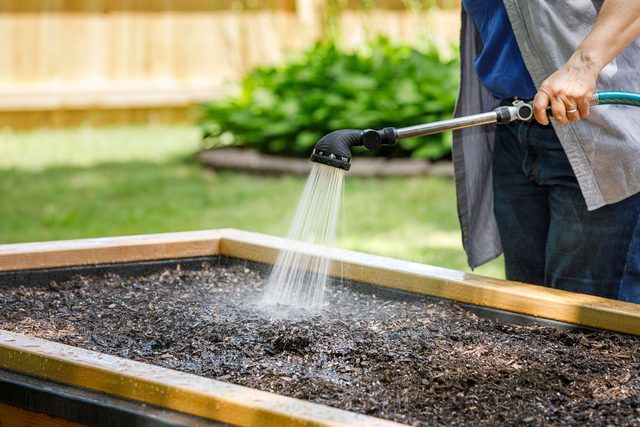
Ensure your raised bed garden gets plenty of water before planting, and top off the soil as it settles.
When first filled with material, raised beds have air pockets. With time and various waterings, the air pockets will work their way out, and all that organic matter will settle into its proper place. When this happens, the raised bed’s soil level will seem lower. Before planting, add more dirt as needed.
FAQ
Is it beneficial to lay landscape fabric at the base of a raised bed garden?
Starting with a layer of weed prevention is good for a raised bed garden. However, look for a material that will naturally decompose, allow for good drainage and promote the benefit your plants will gain from the nutrients found in the natural or native soil the raised bed is sitting on. Man-made landscape fabric will prevent live organisms such as worms and other helpful insects from being a part of your raised bed garden environment. Yes, you want to keep the weeds out, but be judicious about what you use at the base of your raised bed.
Is there an ideal depth for raised bed gardens?
Anywhere from 12 to 18 inches will be ideal for a raised bed garden. Larger plants need more depth for their roots to develop well and give a good harvest. Roots for many herbs and lettuces don’t require as much depth and would thrive in a depth of 12. Be sure to research ideal growing environments for the vegetables you want to grow and then plan your build accordingly.
What should I not put in my raised garden bed when filling it?
You should refrain from adding too many freshly cut wood chips to your raised bed. When wood chips decompose, they draw nitrogen from the soil, which will negatively affect the development of your plants.
It is also not recommended to add pressure-treated or painted wood. Over time, the chemicals in these woods will leach into the soil and reach your vegetables.