


All it takes to regrow veggie scraps into new produce is water, soil and a bit of patience.
11 Vegetables You Can Regrow with Kitchen Scraps

1
/
11

Celery
Cut off the base of the celery, leaving a stump about 2 inches tall. Place this base, cut-side up, in a shallow bowl with about one inch of warm water. Place the bowl in a sunny spot and change the water every day.
Celery has a very shallow root system and needs frequent watering. According to the Utah State University Extension website, “Any water stress during the year causes the stalks to become stringy and gives them a strong flavor.” Keeping the soil or water source consistently moist is key to growing crisp, tender stalks.
Once new leaves have formed after about a week, transplant the celery base into a pot with soil or your garden. Plant it deep enough to cover the base, leaving the new leaf tips exposed. Celery is a cool-weather crop, so avoid planting it outdoors during peak heat.
2
/
11
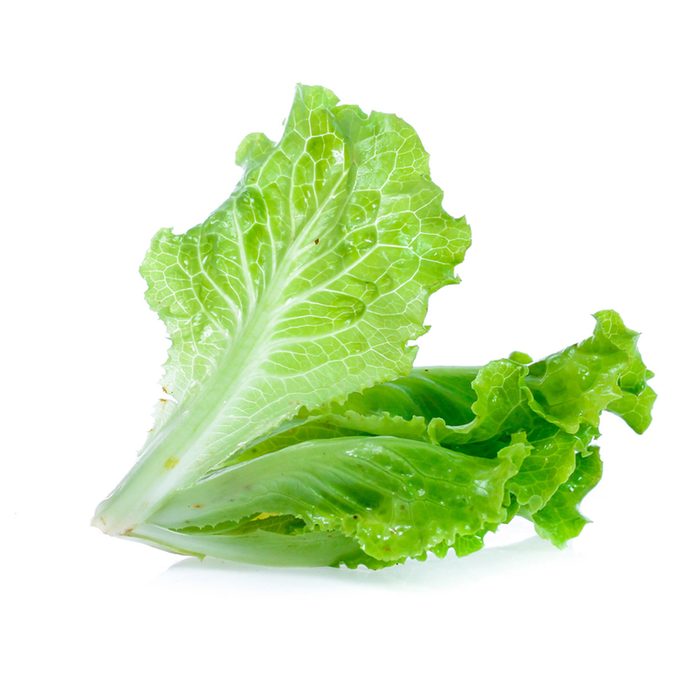
Lettuce
Any lettuce that grows in heads, such as romaine, butterhead and iceberg, regrows easily. Cut off the bottom of the lettuce head, leaving a base about one inch tall. Place it in a small container with half an inch of water and change the water daily.
While lettuce grows fastest in full sun, according to Bonnie Plants, it is one of the few vegetables that lasts longer when shaded from the sun as the season warms.
If you are regrowing lettuce from a base, you can harvest the outer leaves as they grow, allowing the plant to continue producing. After about three to four days, you should see new shoots and small roots begin to form. The base can then be planted directly in your garden or in a container.
3
/
11
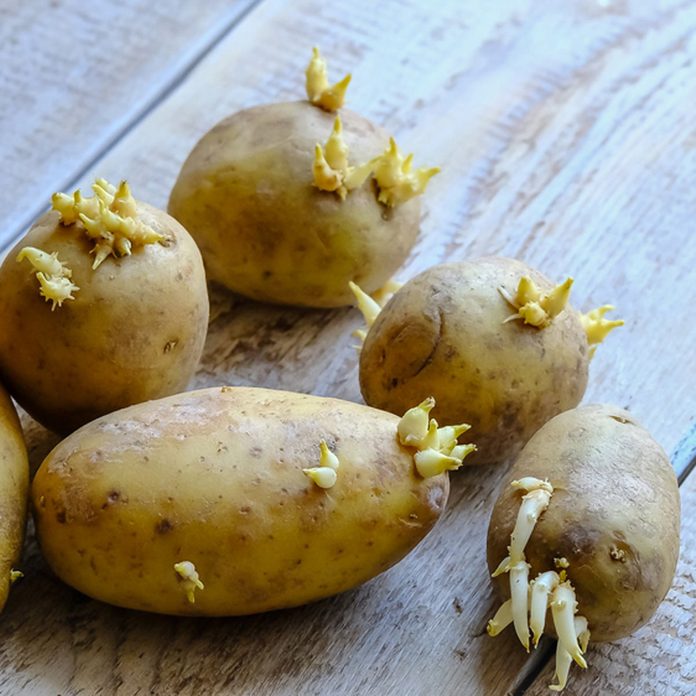
Potatoes
Take a potato with visible sprouts (i.e., eyes) and slice it in half. Stick a few toothpicks through the top of one end and submerge the potato, cutting side down in water. Make sure the toothpicks hold the potato securely in the water. If placed in sunlight, it should sprout from its top in about four days. Once the new sprouts are about 4 inches long, twist them off and place them in shallow water. You can plant those sprouts once their roots measure one inch.
4
/
11
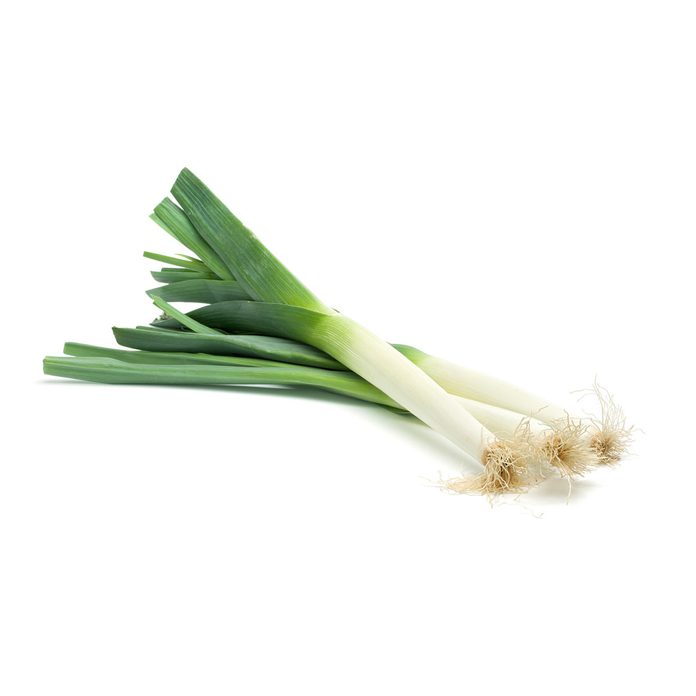
Scallions
Regrow vegetables like scallions, or green onions, as an easy garden project. Start by snipping off the green part and an inch off the root. You should be left with the white base, which you can then place (not submerge) in water. Use a container narrow enough to keep the cut stubs upright. Green onions will start to grow within days when placed in a sunny window. You can continue to grow them in water or transplant them into soil for a more robust plant.
5
/
11
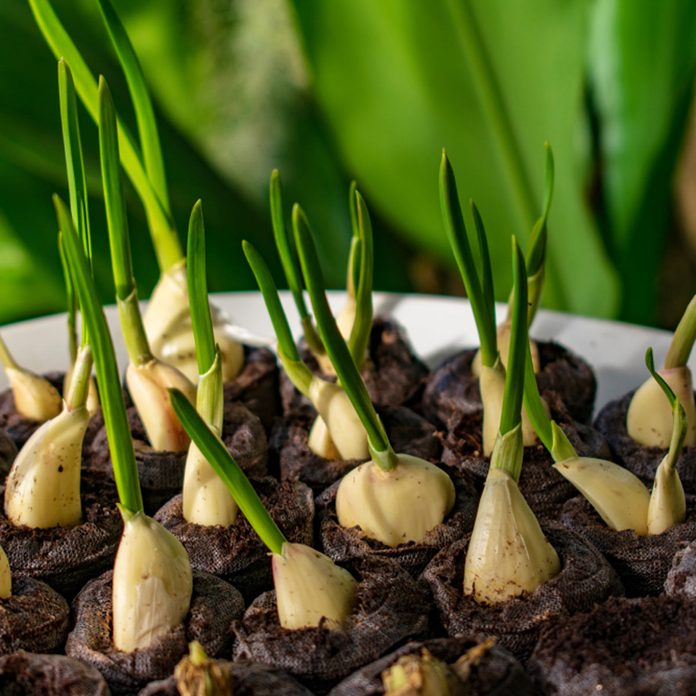
Garlic
The easiest way to regrow garlic is to plant a clove, root side down, in a container with potting soil. You can also plant cloves outdoors in USDA Plant Hardiness Zones 1 through 9. For an outdoor crop, plant them in the fall about eight weeks before the first frost. The bulbs will be ready to harvest the following summer. Always space bulbs at least 4 inches apart when planting.
6
/
11
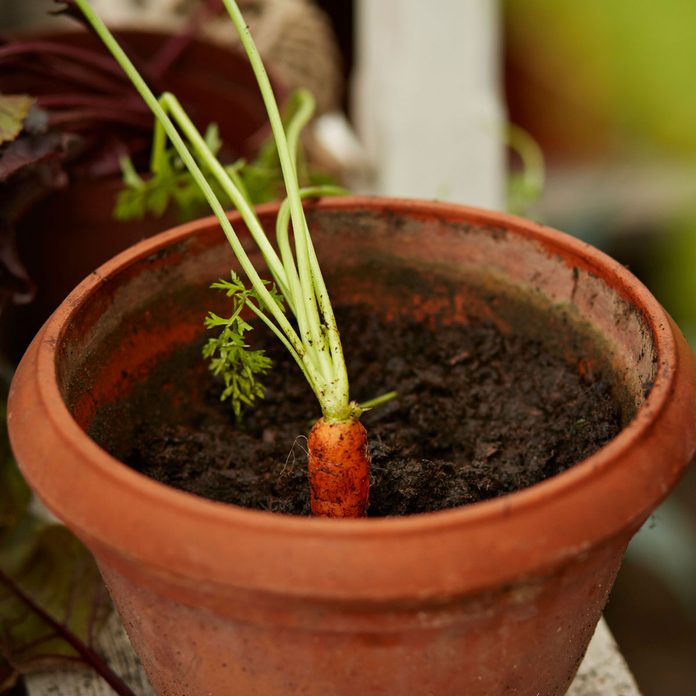
Carrot Greens
Carrot greens are a delicious and healthy addition to salads, sautéed veggie blends, soups and more. You can regrow the green tops (not the carrot) by placing a one-inch carrot top in a dish with one inch of water. Place the dish in a sunny spot and change out the water daily. In about four weeks, the tops should be bushy and there should be roots on the cut end. You can then transplant into a container or the ground.
7
/
11
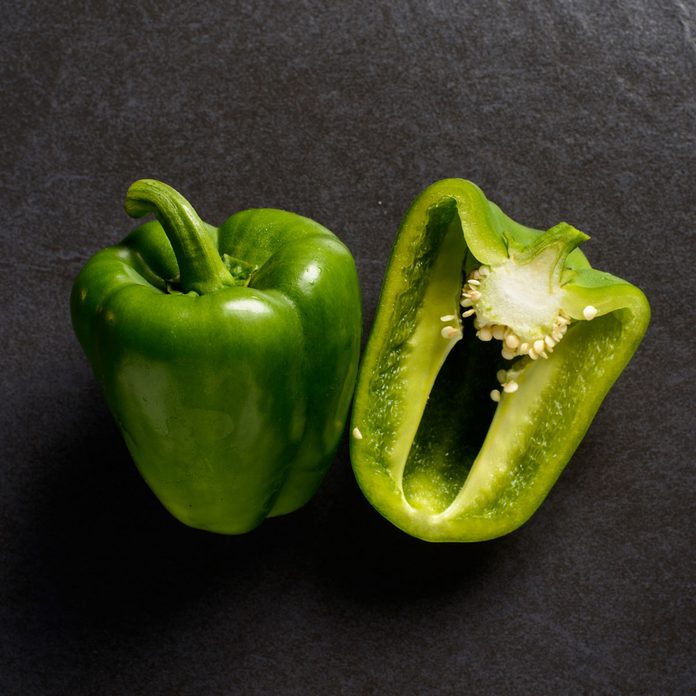
Peppers
Save a few seeds from your favorite pepper variety and lay them out to dry in the sun for an hour. Plant them in late spring or early summer. If that timeline is far out, place the seeds in a jar in a cool location like your refrigerator. Depending on the pepper, once planted, it can take from 60 to 150 days to mature.
8
/
11

Mushrooms
Remove the cap from a mushroom so you’re left with 1/4 inch of the stalk. Prepare a container by placing a straw at its bottom before adding potting soil. Mushrooms thrive in cool, damp environments, and the straw will keep things moist. Place the mushroom stalk in the soil so that only the top of the stalk is visible. Place a layer of plastic, with holes poked in the top, over the container and mist the soil whenever it looks dry. Expect new mushrooms to develop in about two to four weeks.
9
/
11
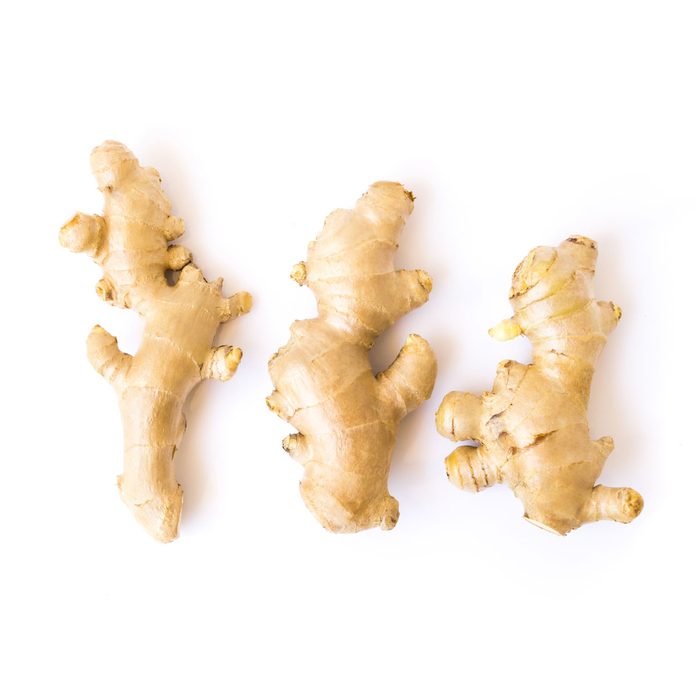
Ginger
Regrow zesty ginger (which really is a vegetable) by soaking a root in warm water overnight. Ginger grows horizontally, so use a wide, shallow pot with potting soil. Place the ginger and eye bud pointing up in an inch or two of soil. Water it lightly and don’t let it get too much sunlight. While shoots will appear in two to three weeks, your ginger won’t be ready to harvest for at least a few months. Cut what you need from the stem before replacing the soil to let it keep growing.
10
/
11
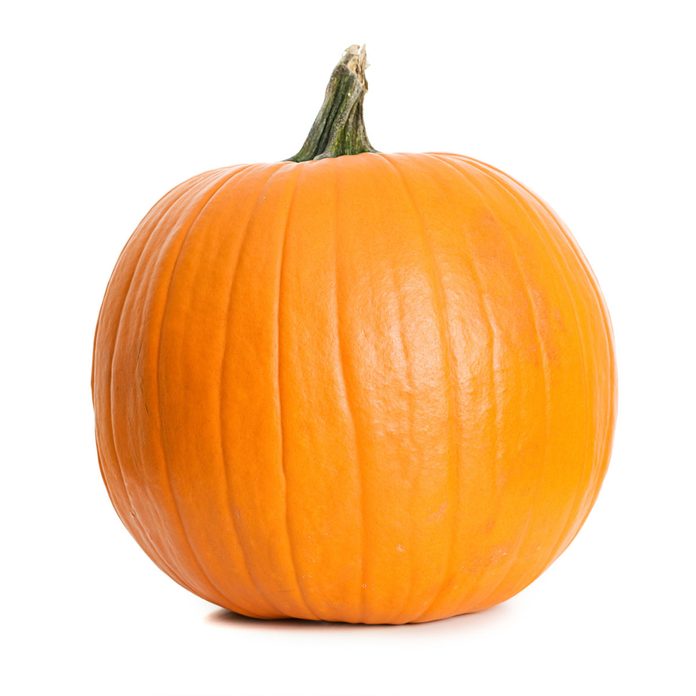
Pumpkins
Pumpkin seeds are great snacks, but reserve a few to regrow your pumpkins. Start by removing the seeds from the pulp. Place the seeds in a strainer and rinse them, taking care to remove residual pulp. Place the biggest seeds on a towel to dry for about a week. The best time to plant pumpkin seeds is late May to early July. If you missed that window, store the seeds in a cool, dry place like the fridge until ready to plant.
11
/
11
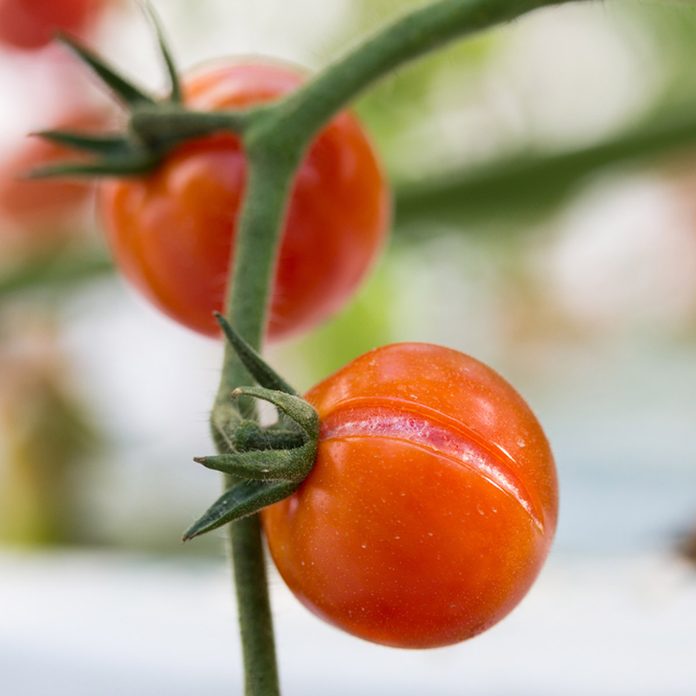
Tomatoes
Fill a one-gallon container with soil. Cut three or four 1/4-inch slices off your favorite tomato. Lay the slices, cut side down, in a circle shape in the pot. Cover with soil and water. Within a week or two, you’ll see sprouts from several dozen seedlings. Decide which ones look the strongest and transplant them in groups of four to another pot. You can choose the strongest from that batch and again repot or plant the tomatoes outdoors.
When transplanting the seedlings, garden expert Margaret Roach of A Way to Garden advises burying them deep, “right down to the topmost pair or two of leaves. They are able to root all along their stems if you plant them very deep.” This creates a stronger, more robust root system.
FAQ
Do regrown veggies taste the same?
Yes, for the most part, regrown vegetables will taste the same as the original plant. Because you are growing from the same genetic material, the flavor profile remains consistent. For leafy greens like lettuce, the newly grown leaves are often more tender than those from a store-bought head. Growing conditions, such as soil quality and sunlight, can influence the final flavor and texture.
Can we safely consume regrown vegetables?
Absolutely. Regrown vegetables are just as safe to eat as their parent plants. The key is to start with fresh, healthy scraps that are free of mold or decay. When using water for propagation, be sure to change it daily to prevent the growth of harmful bacteria or mold. Once transplanted to soil, care for them like any other edible plant.
About the Expert
Margaret Roach is the creator of the website and podcast “A Way to Garden” and a garden writer with more than 30 years of experience, including serving as the first garden editor for Martha Stewart Living.
Sources

