


River rock often plays a practical role in gardens and landscapes. Here are a dozen ways to use this natural material for aesthetic reasons.
River Rock Landscaping Ideas We Love
1
/
12

The Wall
Make a gabion wall by wrapping river rock in a cage of galvanized steel wire. A retaining wall can be used for erosion control, privacy or to make an aesthetic statement in the landscape.
2
/
12

Raised Bed Planter
For a slightly different take on a gabion wall, consider a raised bed planter made with river rock. It’s not only attractive and unique— it also drains well. To keep soil from seeping, line the interior with landscape fabric before filling with a mix of lightweight potting mix and compost.
3
/
12

Suitable Staging
Use a floating “moat” of river rock to hem in a collection of potted plants. The rocks act as a stage, calling attention to the multiple pots and presenting them as one cohesive unit. Side benefit: rocks keep the planters from tipping over.
4
/
12
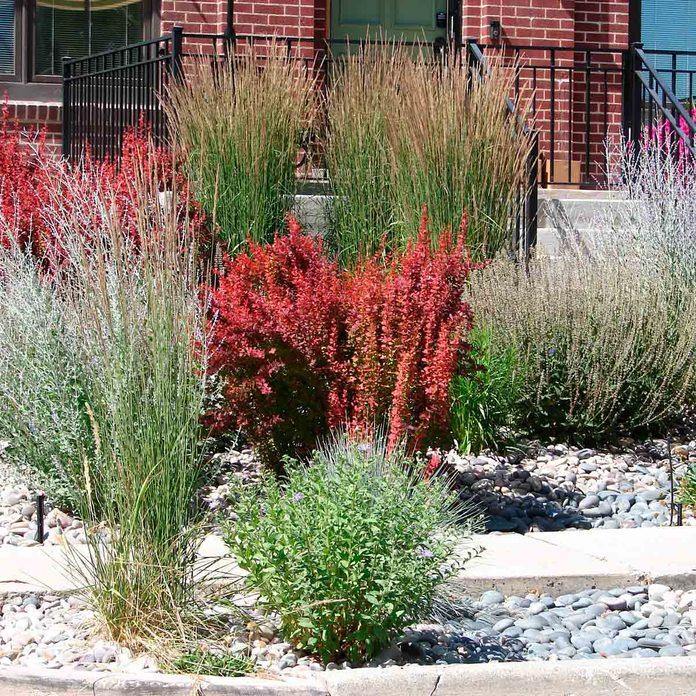
Dapper Dryscaping
River rock landscaping ideas often revolve around water—or in this case, the lack thereof. River rocks are a perfect complement to the drought-tolerant plants found in xeriscaping, making a fine, quick-draining mulch that looks at home with dry denizens such as barberry, Russian sage, Karl Foerster grass, blue oatgrass, and salvia.
5
/
12

Fairy Fire Pit
Fairy gardens are hot. River rocks and smaller pea gravel are indispensable when creating the miniature landscapes. Here they’re combined to form a make-believe campfire. Ah, you can almost smell the smoke!
6
/
12
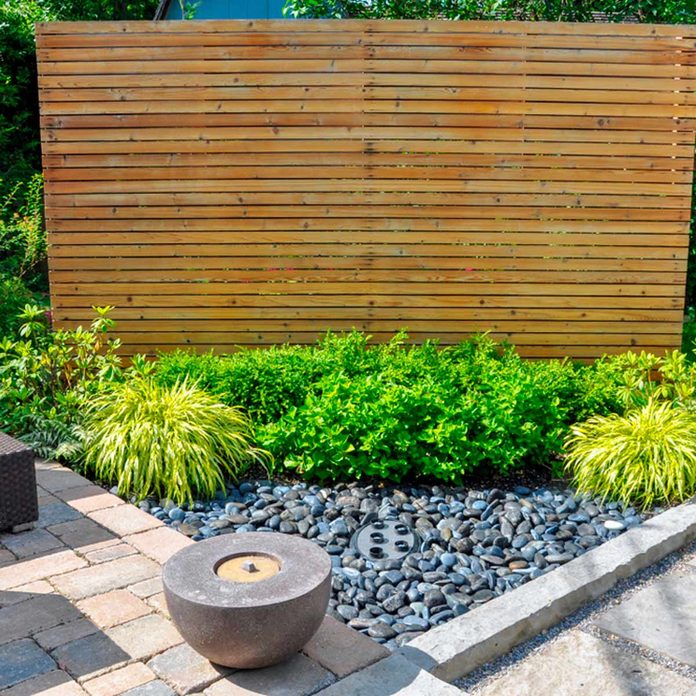
Negative Attitude
In landscaping, just like in design, there’s something called negative space. It is a visual “breathing room” where the eye can rest and not be overwhelmed by stuff—whether it’s color, form or, in this case, a circus of plants. Notice how the river rock provides valuable negative space in this small garden, giving the garden art in the foreground some distance from the planting.
7
/
12

Mulch Appeal
River rock makes a great, long-lasting mulch option. It looks particularly natural with succulents and cacti and provides the rapid drainage those plants require. It does hold heat, however, so river rock may not be the best mulch for more tender plants.
8
/
12

Planter Presentation
That mulching ability carries over to planters as well. River rock gives a nice, clean presentation and even some contrast with the plants. It also keeps foliage free from soil splashing while watering.
9
/
12

Paver Patchwork
If you have a spot in your yard where nothing but weeds will grow, you can create a great-looking area that doesn’t need maintenance. Alternate pavers and river rock in a patchwork (grid) pattern and never worry about that trouble spot again. Here are some other landscape uses for rocks.
10
/
12

Rocky Road
With their durability, rocks are a natural material for pathways. The winding shape of the pathway teams with the intriguing texture of the river rocks to create an attractive landscape feature.
11
/
12

Natural Water Feature
You can build this beautiful artesian river rock and stone fountain in just two days. And once it’s built, you don’t have to worry about maintenance.
12
/
12

Dry Creek Bed
Probably the No. 1 use of river rock in a landscape is equal parts practical and pretty. A dry creek bed is an ornamental feature much of the time. But when heavy rains come, the winding bed of river rocks directs the overflow wherever you want it to go (for instance, away from the house and toward a rain garden).
FAQ
How do I keep weeds from growing through river rock?
“The deeper the stone bed, the harder it is for weeds to take hold as there is less dirt to find a home,” Howard says. He recommends a depth of 6 to 8 inches to prevent weeds as well as provide better visual impact. Once your river rock is in, to keep weeds from growing it is important to regularly use a leaf blower to keep any debris from gathering on top of it.
“This prevents organic matter from decomposing between the rocks and creating a growing medium,” Howard says. “Natural mixtures of salt and vinegar — a ratio of 1 gallon vinegar to 1 cup salt — also works effectively for spot treatment.”
How do I maintain river rock landscaping?
Be sure to keep river rock clear of debris to control weed growth and consider pressure washing if needed. “In shady areas, you may need to pressure wash the beds to keep algae and similar at bay from time to time,” Howard says. “An annual or bi-annual pressure washing in these areas will keep the rocks looking fresh and prevent slippery surfaces from developing.”
Expert
Rob Howard is a master stonemason and the founder of Stone Solutions Maine. He has over 30 years of masonry experience with an original style which he honed by studying with many accomplished stonemasons specializing in different working methods, materials, and specialties throughout his career.

