


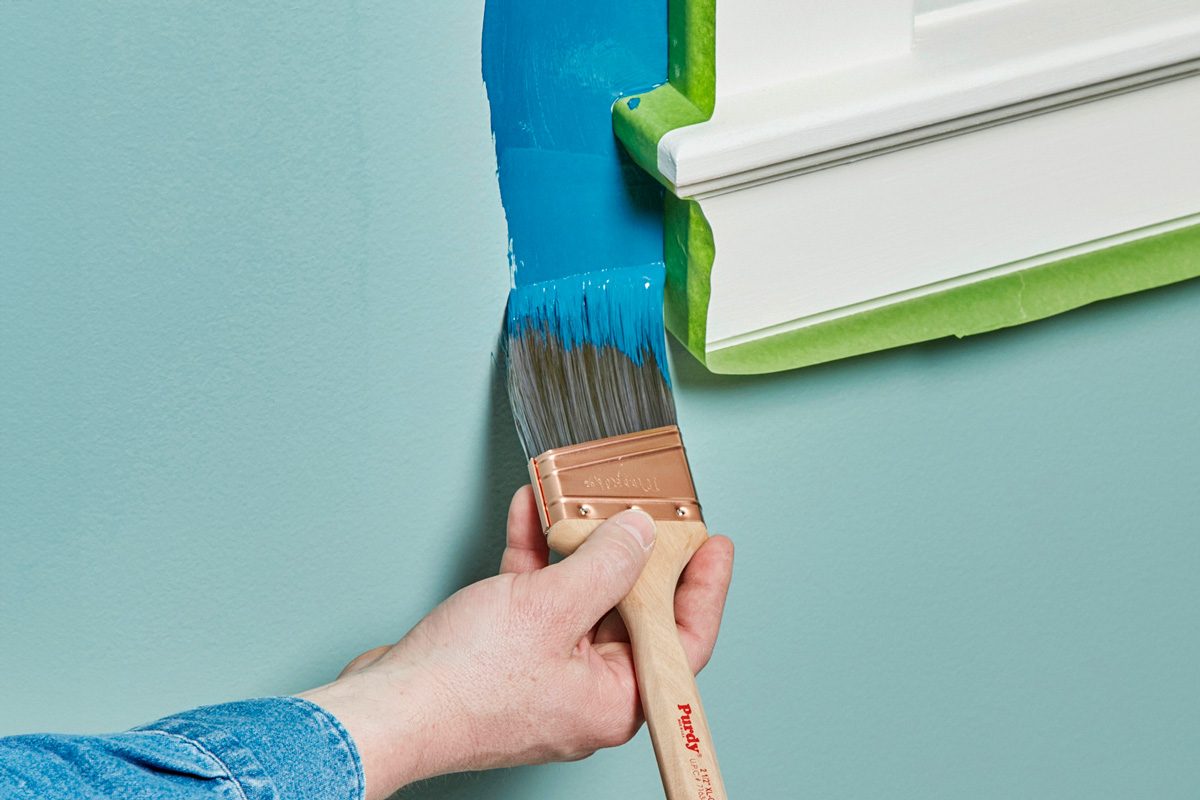
We asked for real-world painting pointers—and got hundreds of great tips from our Field Editors. Here are some of our favorites.
1
/
11
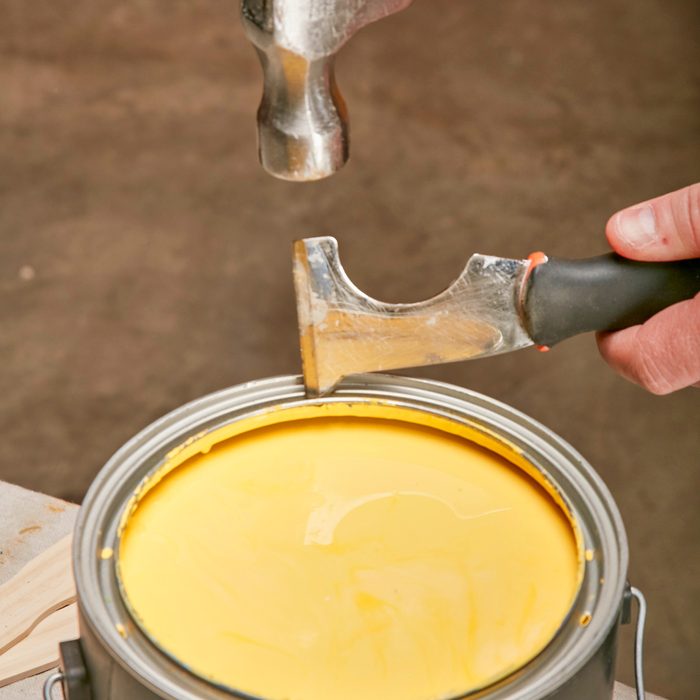
No More Splashy Paint Can Lids
Ever hammer down a paint can lid only to have paint splatter everywhere? You can prevent that by grabbing a 5-in-1 tool and using the pointy end to punch a few holes through the groove of the can’s rim (be sure to rotate the tool left and right a little to widen the holes). The holes allow excess paint to drain back into the can. The lid will cover the holes and make an airtight seal. If you don’t have a 5-in-1 tool handy, you can punch some holes with a hammer and nail. — Larry Gusman
2
/
11
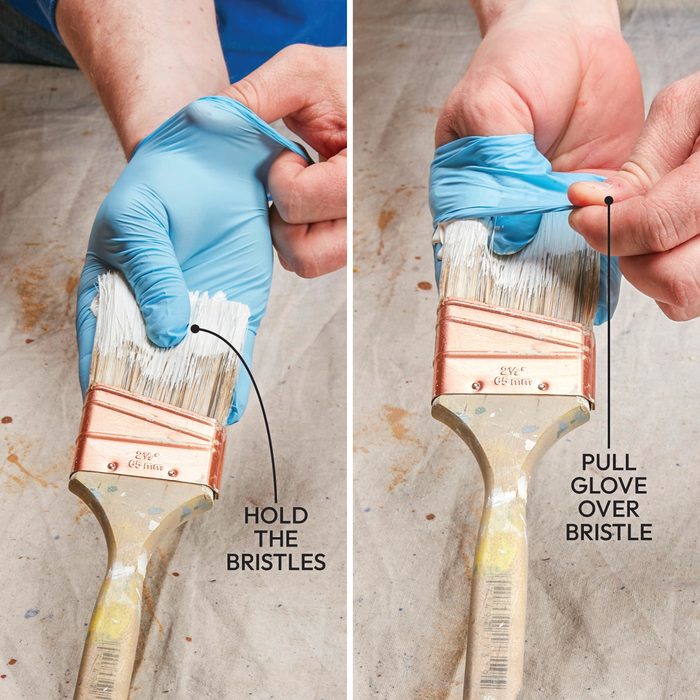
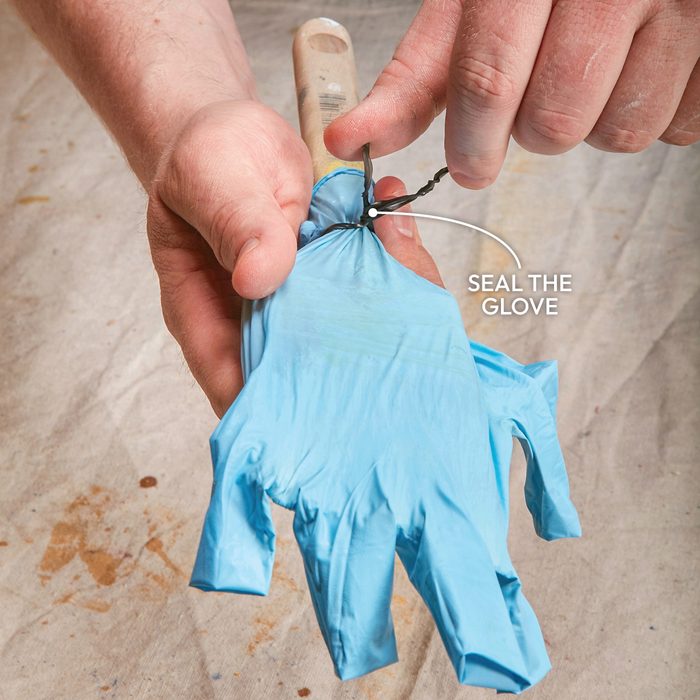
Preserve a Brush With a Glove
I like to wear disposable nitrile gloves when I’m painting. They not only keep my hands clean but also keep my brush from drying out whenever I take a break. I simply grab the bristles with my gloved hand and then pull the glove over the wet bristles. A twist tie around the handle keeps the air out. — Ned Webb
3
/
11
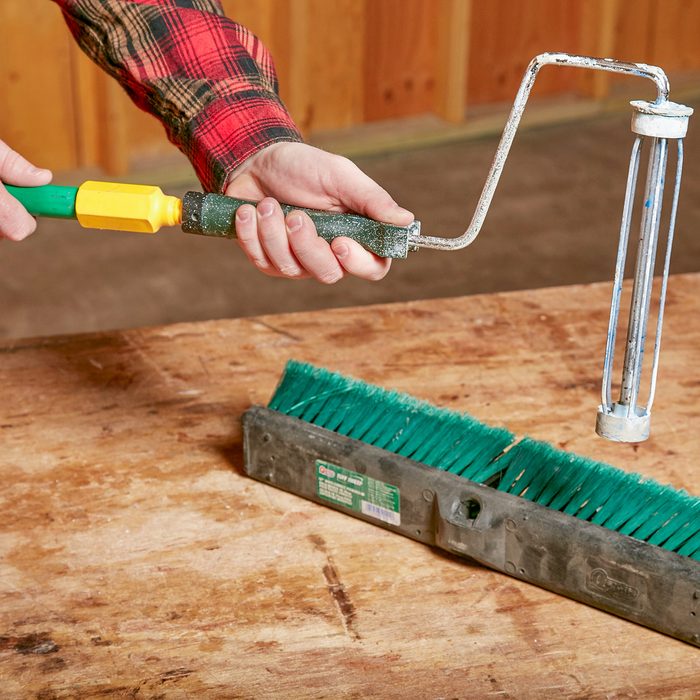
A Push Broom Handle Reaches New Heights
You can spend $10 to $70 on an adjustable extension pole for rolling paint in high places. But if adjustability isn’t important or you just want to save a few bucks, try a push broom handle. Most fit perfectly on a paint roller. Long handles are also great for yard tools. — Dave Moran.
4
/
11
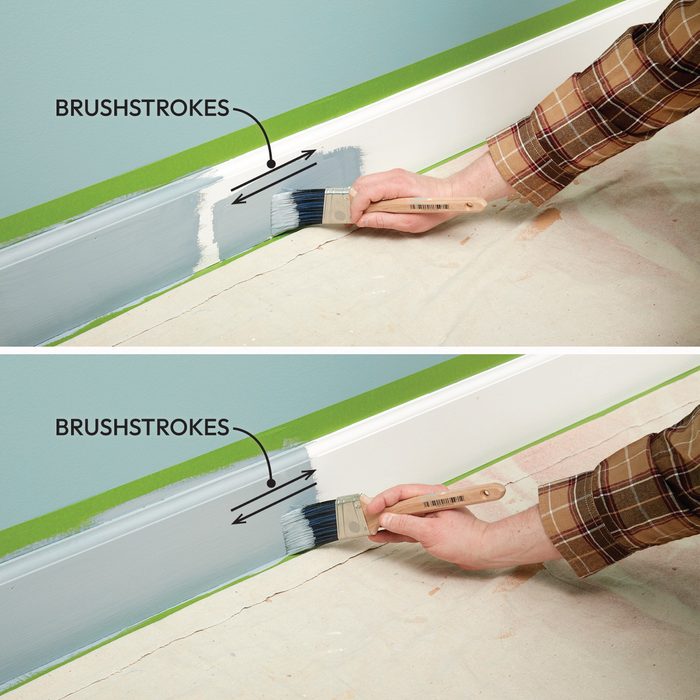
Slap It On, Then Smooth It Out
When painting trim or other woodwork with a brush, I’ve found it’s best to load my brush with paint and then lay it on heavily in small sections using short, quick strokes—just to get enough paint on the trim to work with. I then blend the paint into the section I painted before and smooth it all out using long finishing strokes in one direction. — Greg Scholl.
5
/
11
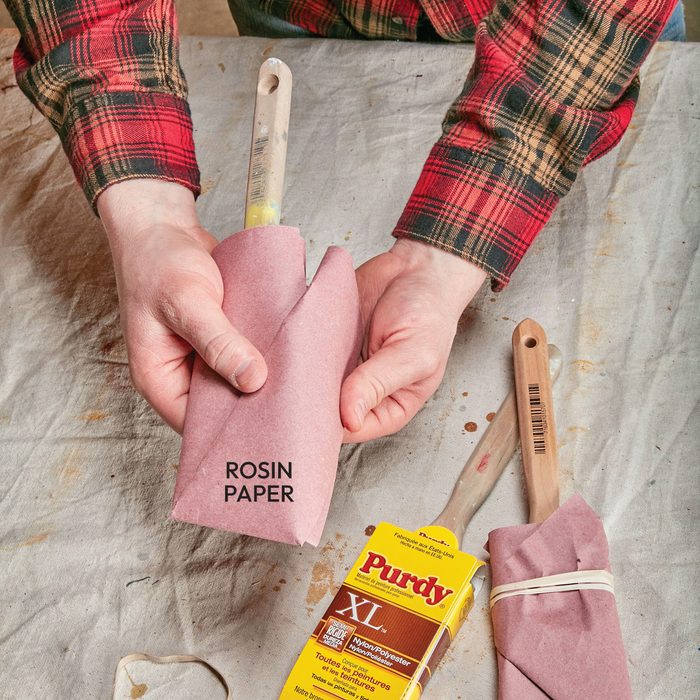
Brush Bristle Saver
Without something to hold them in place, paintbrush bristles will curl or splay as they dry. The best way to store them is in the cardboard wrappers that they came in. They’re not just packaging; they maintain the shape of the bristles as the brush dries after cleaning. If you’ve already thrown your brush wrappers away, use paper and a rubber band instead. — Andy Benke.
6
/
11
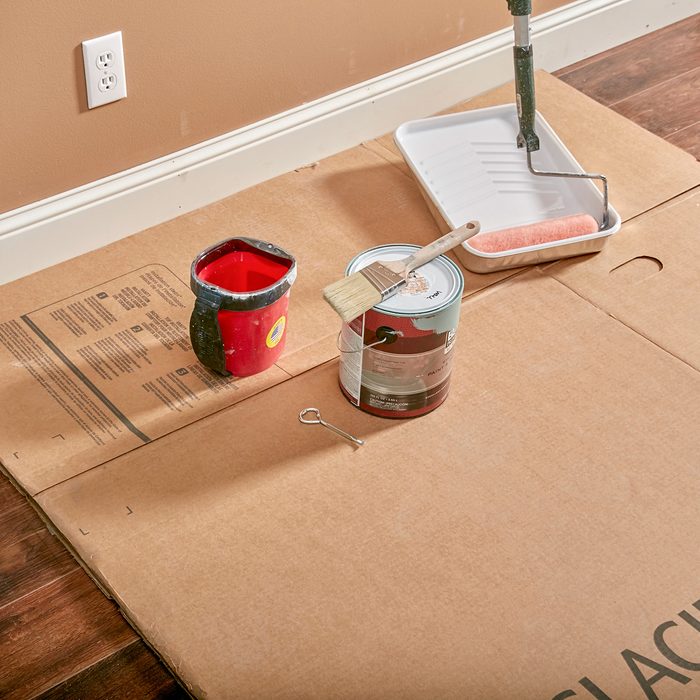
Cardboard Protects Floors Best
I don’t like drop cloths. They’re usually too big, slippery, clumsy and just downright messy—especially when I need to move them around while they’re still covered in wet paint. That’s why I prefer cardboard. I set it tight to the wall and slide it with my foot as I work my way around the room. — Beckie Boggs
7
/
11
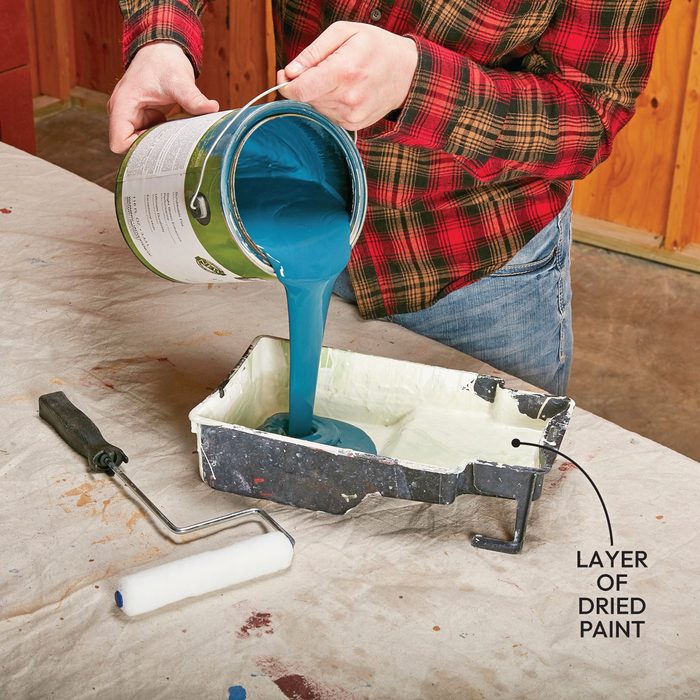
No-Maintenance Paint Tray
Don’t bother cleaning or putting liners in your paint trays. Just pour any excess paint back into the can and let the paint in the tray dry completely before using it again. I have paint trays with a 1/8-in.-thick paint buildup in them. I like them better than clean trays because they’re a little heavier and don’t slide around when I’m loading the roller. — Mac Wentz
8
/
11
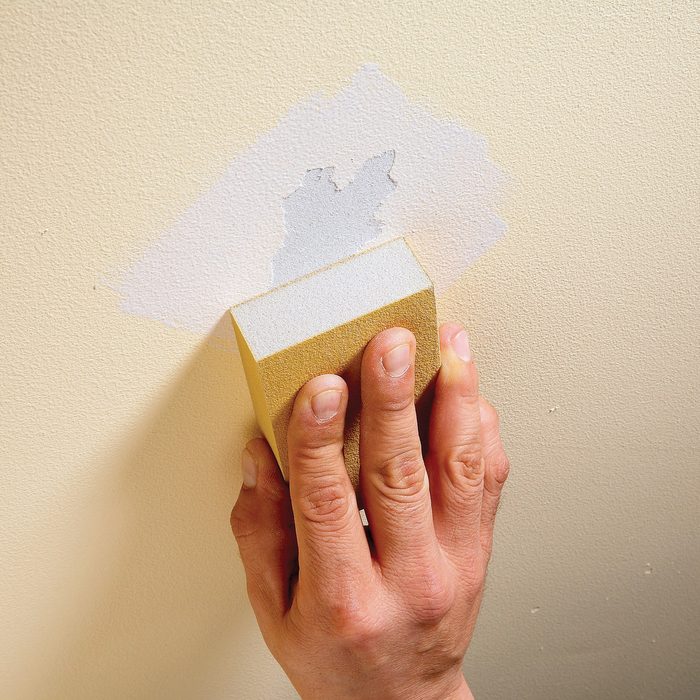
2/3 Prep, 1/3 Painting
A good prep job often takes more time than painting, but it pays off. The more time you spend prepping a room for new paint, the better your finished paint job will look. Washing, patching, sanding and vacuuming walls, ceilings, trim and doors before you pick up a brush or roller are time well spent. If you don’t take care of small imperfections now, they’ll stick out like a sore thumb once the paint goes on. — Arthur Barfield
9
/
11

Do the Ceiling, Then the Walls
Before painting any walls, take a good look at your ceiling. If you think it needs refreshing, paint it first. You don’t want to paint the walls and then—in a couple of weeks or years—do the ceiling. Rolling the ceiling drops a fine mist of paint onto everything below. Painting the ceiling first also allows you to be less fussy along walls. Any paint that gets slopped onto walls will get covered up later when you paint them. — Patrick Morrissey
10
/
11
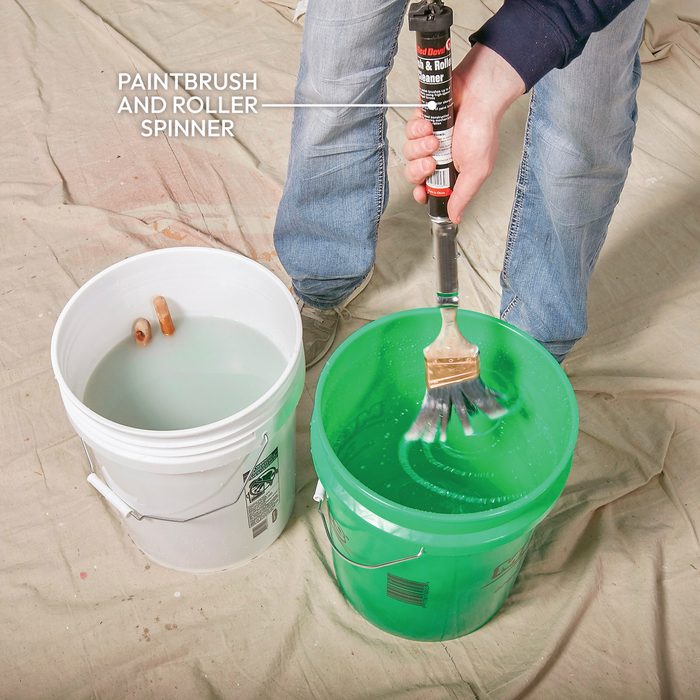
Skip Brush Cleaning Between Coats
Whenever I take a break from painting or if I’m done for the day, I toss my brushes into a 5-gallon bucket of clean water to keep them from drying out (make sure all the brushes have the same color paint on them). Then, when I’m ready to start painting again, I swish the brushes around in the water and spin the excess out with a paintbrush-and-roller spinner. Do the spinning inside a second empty bucket to protect surrounding walls from flying water drops. — Ann Wisnoski
11
/
11

An Egg-Cellent Painting Tip
Whenever I need to paint something small like a picture frame and want to raise it off the table a bit to paint the edges, I break out these handy egg cartons. I just cut a couple in half and use them to support the frame’s edges. I can reuse them several times or just throw them away when I’m done. — Nancy Luptowski
FAQ
What’s the best type of paint for high-traffic areas?
The best kind of paint for high traffic areas is paint with a higher sheen that is both more durable and easier to clean.
How long should I wait before applying a second coat of paint?
The amount of time you should wait before applying a second coat of paint depends on what kind of paint you use. For most indoor applications, you will use a latex paint, which requires about two to four hours before applying a second coat.
What’s the best way to clean and store paintbrushes?
For latex paint, which is what you’ll use for most interior painting, the best way to clean paint brushes is to run them under warm water until the water runs clear. You can add a bit of dish soap to speed up the cleaning process. Once all the paint is removed from the brush, reshape the bristles and lay flat to dry. To store brushes, re-wrap them in the cardboard they came in or wrap them in paper and secure with a rubber band.
What are some tricks or shortcuts to paint more efficiently?
Painting expert and owner of Pearl Painters Brian Kemnitz shares one of his favorite shortcuts for painting more efficiently. “When you go to start rolling with a fully loaded roller, offload in the shape of a V then roll back from dry to wet to evenly distribute the paint,” he says.
What are some preferred painting methods?
Kemnitz also shares some of his preferred painting methods. “The roll and back tip method [mentioned above] is a favorite when painting trim/railings/doors/baseboards that can’t be removed or isolated for spray,” he says. “We also use paint sprayers for a lot of our work, but because we’re professionals, we have equipment and expertise and DIYers aren’t going to have,” he adds, detailing, “We usually set up ‘booths’ in the homeowner’s garage to paint kitchen cabinets, for example. We use paint sprayers with the right tip for the job.” Sharing another tip that DIYers can use, Kemnitz offers, “We use different rollers and brushes depending on the project.”
About the expert
Brian Kemnitz is a painting expert and the owner of Pearl Painters, which has provided painting services to homes in the Portland area since 2001. Pearl Painters offers cabinet painting, interior and exterior painting, and fence and deck staining. As the leader of his team, Kemnitz strives to uphold the company’s commitment to excellence and their tagline of “Making you wish all contractors were like us.”