


From better potting mix to saying no to pesticides, improve your yard with this gardener's dozen.
13 Ways to Take Your Garden From Good to Great
1
/
13
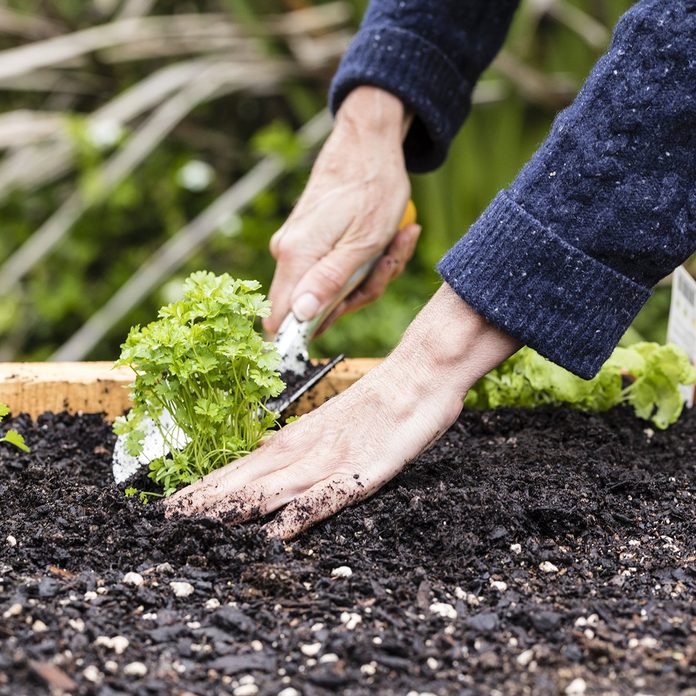
Use the Best Enriched Potting Mix
Make looking after container plants much simpler by choosing a premium potting mix that’s well-draining with long-lasting nutrients. According to the University of Illinois Extension website, “soils for containers need to be well-aerated and well-drained while still being able to retain enough moisture for plant growth.”
Look for potting soil that contains peat moss, pine bark and either perlite or vermiculite. It’s an easy-care way to achieve the best-ever displays.
2
/
13
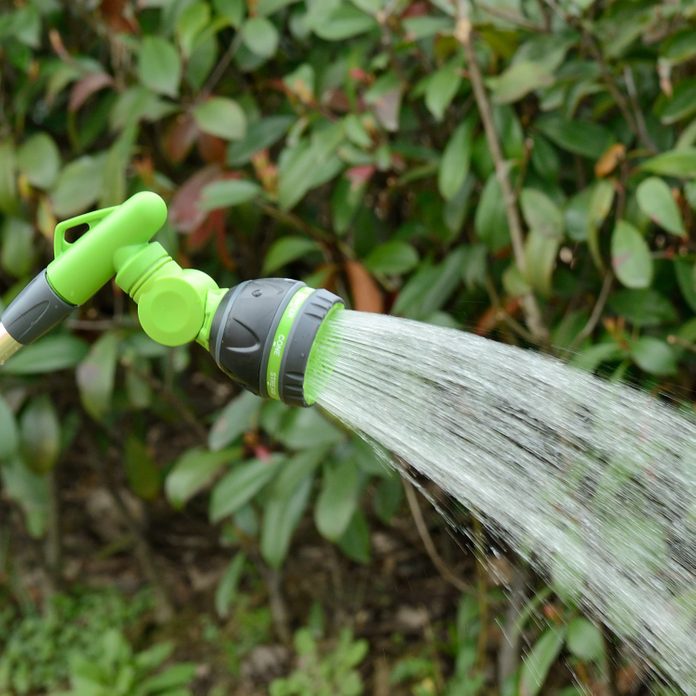
Invest in Top-Notch Tools
Introduce a long-handled weeding fork to your gardening tool kit; your knees and back will thank you. It’s worth examining what new tool designs are available. Many have been created to reduce strain on joints and ease gripping so you can garden in comfort.
But if you only invest in one garden tool, make it a well-made pair of shears. They significantly enhance your daily tasks. Keep them clean and sharp, and you’ll deadhead with ease and cut your shrubs cleanly to minimize the risk of damage and disease. Throw in a pruning saw for big jobs so you won’t be tempted to blunt or break your shears on thick stems.
3
/
13
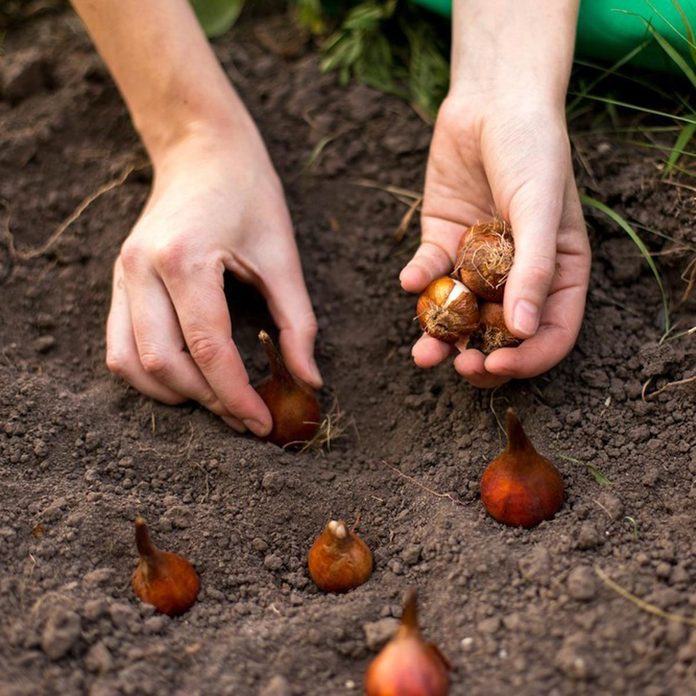
Pot Bulbs in Layers
Bulbs are self-sufficient, so you can pack them into pots for spring and summer displays. Try layering a selection of bulbs with different planting depths and staggered flowering times in a container for a continuous, long-lasting show.
4
/
13
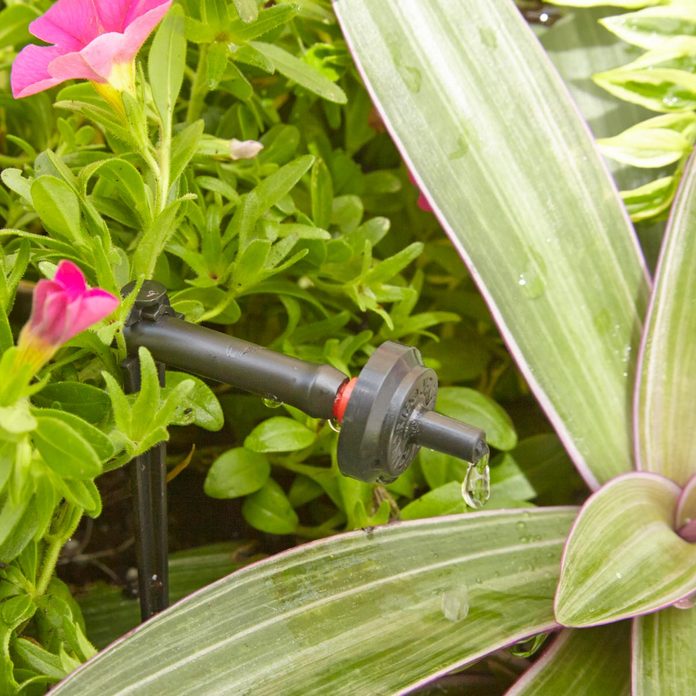
Take the Work Out of Watering
Drought-busting irrigation systems simplify watering, even when dealing with numerous pots. Link patio plants with a hose-and-dripper system, add an automatic timer to your tap, then sit back and relax, knowing your plants will thrive.
5
/
13

Plant Long-Lasting Flowers
Take a second look at old favorites. Horticulturists have produced new varieties that flower longer. They include billowing hydrangeas, easy-care lavenders, and the versatile, trouble-free Oso Easy Double Red rose from Proven Winners, which continuously blooms from early to late summer.
6
/
13
Thwart Pests the Natural Way
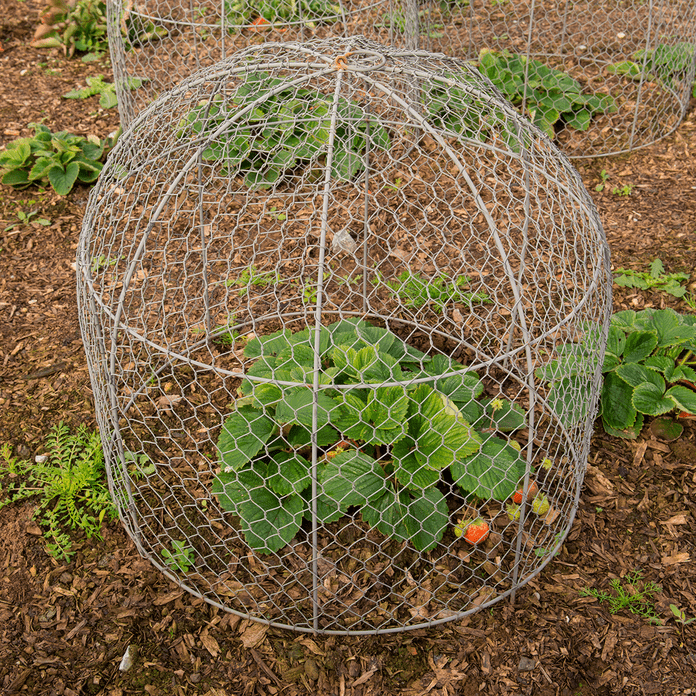
Garden fabric or netting is a traditional, foolproof way to prevent hungry backyard wildlife from feasting on your homegrown produce. A few clever tools for this include pop-up netting tents and no-fuss covers designed to protect raised veggie beds.
And introduce natural, noninvasive predators like ladybugs into the garden. Ladybugs devour huge quantities of pesky aphids. You can buy a legion via mail from specialty suppliers. Release them into your garden at dusk to encourage them to stick around and get to work.
7
/
13
Support Your Plants
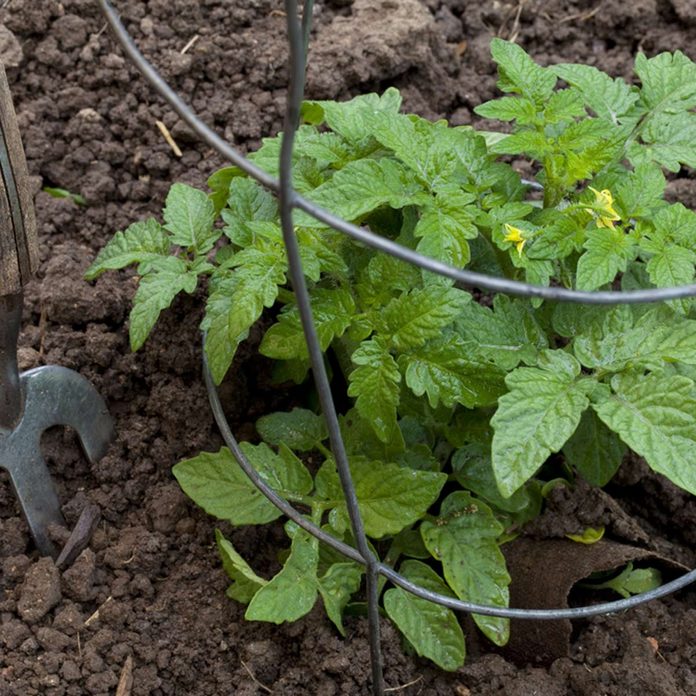
Cane, hoop, and ring supports can transform your borders, lifting those floppy stems and preventing plants from dropping over paths.
According to Grown By You, “these supports keep fruit off the ground, preventing rot and blight. Supports allow vining plants to grow up instead of sprawling. Vertical gardens produce more vegetables than those without supported plants.”
The secret with plant supports is getting them in early before the plant grows too much. As the plant thrives, its stems and leaves disguise the support, giving your garden an effortless, well-groomed look.
8
/
13
Plant Perennials in Big, Beautiful Drifts
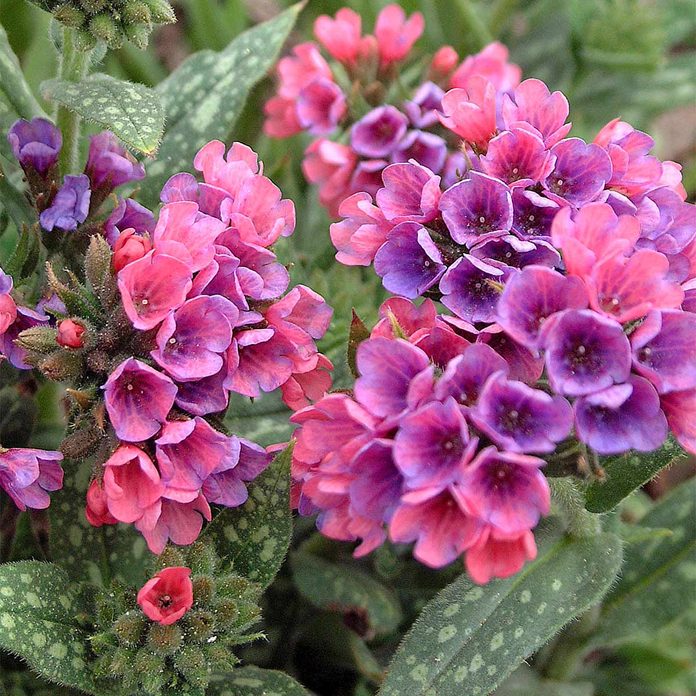
Make a bigger splash with gorgeous flowering perennials by planting them in groups of three, five or even seven. It’s much easier to make a natural-looking grouping by arranging odd, rather than even, numbers of plants. Follow recommended planting distances, and the plants soon will grow together to create an exciting mass of color.
9
/
13

Learn the Secrets of Plant Propagation
One of the most rewarding garden tips is mastering the art of propagation. Once you master it, your garden will soon be brimming with organically grown plants. Start by sowing the seeds of your favorite flowers.
Once they’ve flowered, let a few plants go to seed. (Be prepared for some surprises if they are hybrids, which don’t always come true from seeds.) Then harvest and store the seeds so they’re ready to plant the following year.
10
/
13
Banish Weeds With Organic Mulch
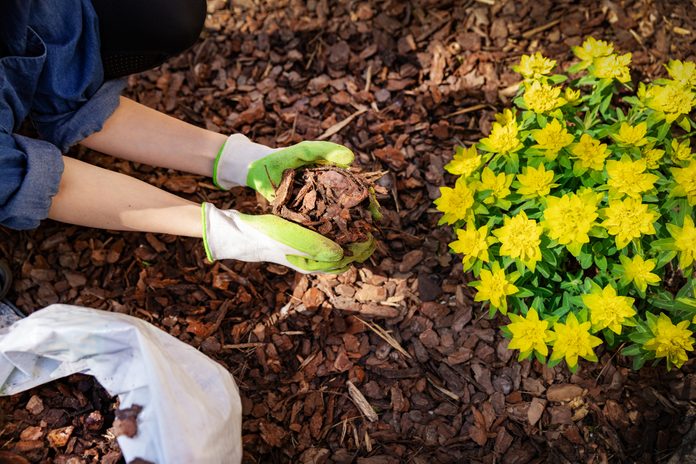
Lock moisture into your soil and smother weeds by giving your beds, and even your containers, a thick layer of organic mulch. Use hearty garden compost such as chopped-up leaves, grass clippings without weedkillers, evergreen needles or composted manure for lusher plantings. Your soil will hold water better.
11
/
13
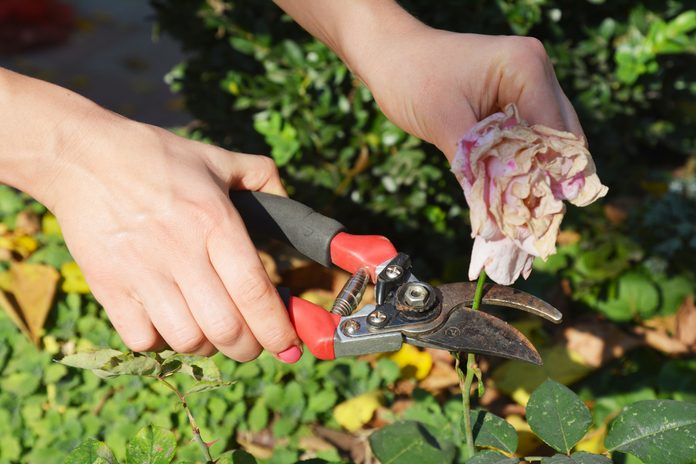
Deadhead To Keep the Flowers Coming
One of the best garden tips for spectacular summer flower displays is to pick or snip off dead flower heads regularly. This prevents the plants from setting seed, encouraging them to produce flush after flush of beautiful blooms. “The main purpose of flowers is to produce seeds to ensure the plant’s survival. Once a flower has faded, it will begin to set seed, and the plant’s energy will be focused on the development of that seed rather than the production of more blooms,” says Nikki Tilley, senior editor at Gardening Know How.
Deadhead annuals and most perennials to guarantee a longer season of flowering color from your garden.
12
/
13
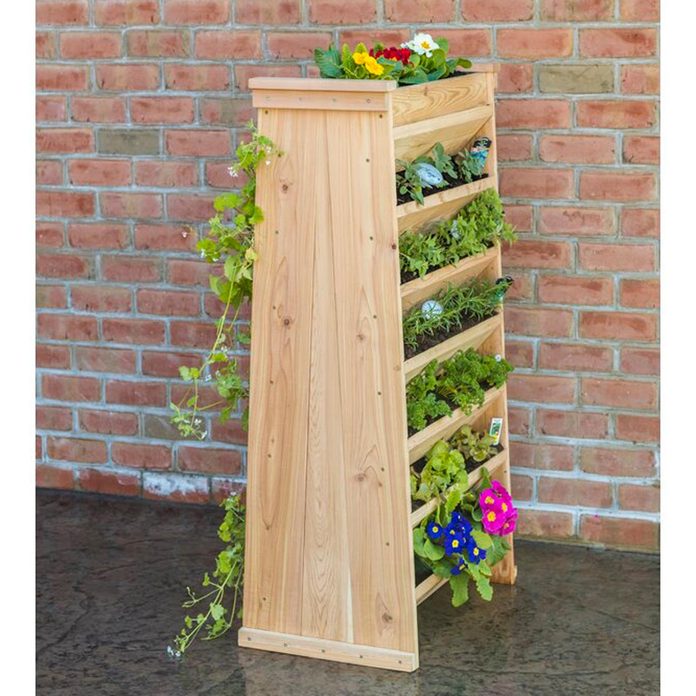
Go Vertical
Maximize your growing space with pocket wall planters. Fill them with colorful flowers to brighten vertical surfaces or grow salads and leafy herbs, like basil and parsley. You could add edible flowers such as nasturtiums or violas to pep up your salads and your backyard display.
13
/
13
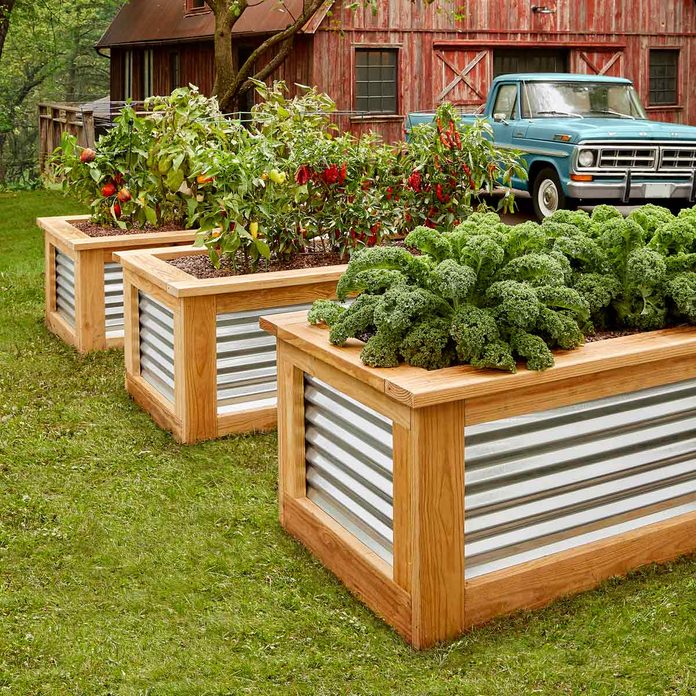
Grow Veggies in Raised Beds
A raised bed kit takes little time to assemble and makes a neat and productive home for your vegetables. Container aficionados will tell you the soil requires less attention and fewer weeds will threaten your veggies.
Just add a thick layer of garden compost or well-rotted manure whenever the soil is bare, and let the worms take it down into the soil for you.
FAQ
How can I make my garden more personal?
Making a garden personal is about infusing it with your style and memories. Here are a few ideas:
- Add art: Incorporate unique sculptures, a decorative birdbath or weather-resistant art that reflects your taste.
- Unique containers: Go beyond standard terracotta pots. Use vintage tins, old boots or colorful ceramic pots to showcase your plants and personality.
- Plant with meaning: Grow plants that have sentimental value, such as your grandmother’s favorite rose variety or herbs from your family’s home country.
- Create a destination: Add a comfortable bench, a small bistro set or a hammock to create a specific spot for relaxation and enjoyment.
How do I make my garden more sustainable?
A sustainable garden works with nature, not against it, to conserve resources and support the local ecosystem. Key practices include:
- Composting: Create your own compost pile to recycle kitchen scraps and yard waste into nutrient-rich soil amendment, reducing landfill waste.
- Water wisely: Install a rain barrel to collect and use rainwater. Water your garden early in the morning to reduce evaporation, and use soaker hoses or drip irrigation to deliver water directly to the roots.
- Plant natives: Choose plants that are native to your region. They are better adapted to the local climate, require less water and provide essential food and habitat for local wildlife.
- Avoid chemicals: Eliminate synthetic pesticides and fertilizers. Instead, use natural pest control methods, such as introducing beneficial insects and building healthy soil with compost.
About the Expert
Nikki Tilley is a senior editor and writer for the website Gardening Know How. She has over two decades of experience in gardening, with a focus on container and vegetable gardening.

