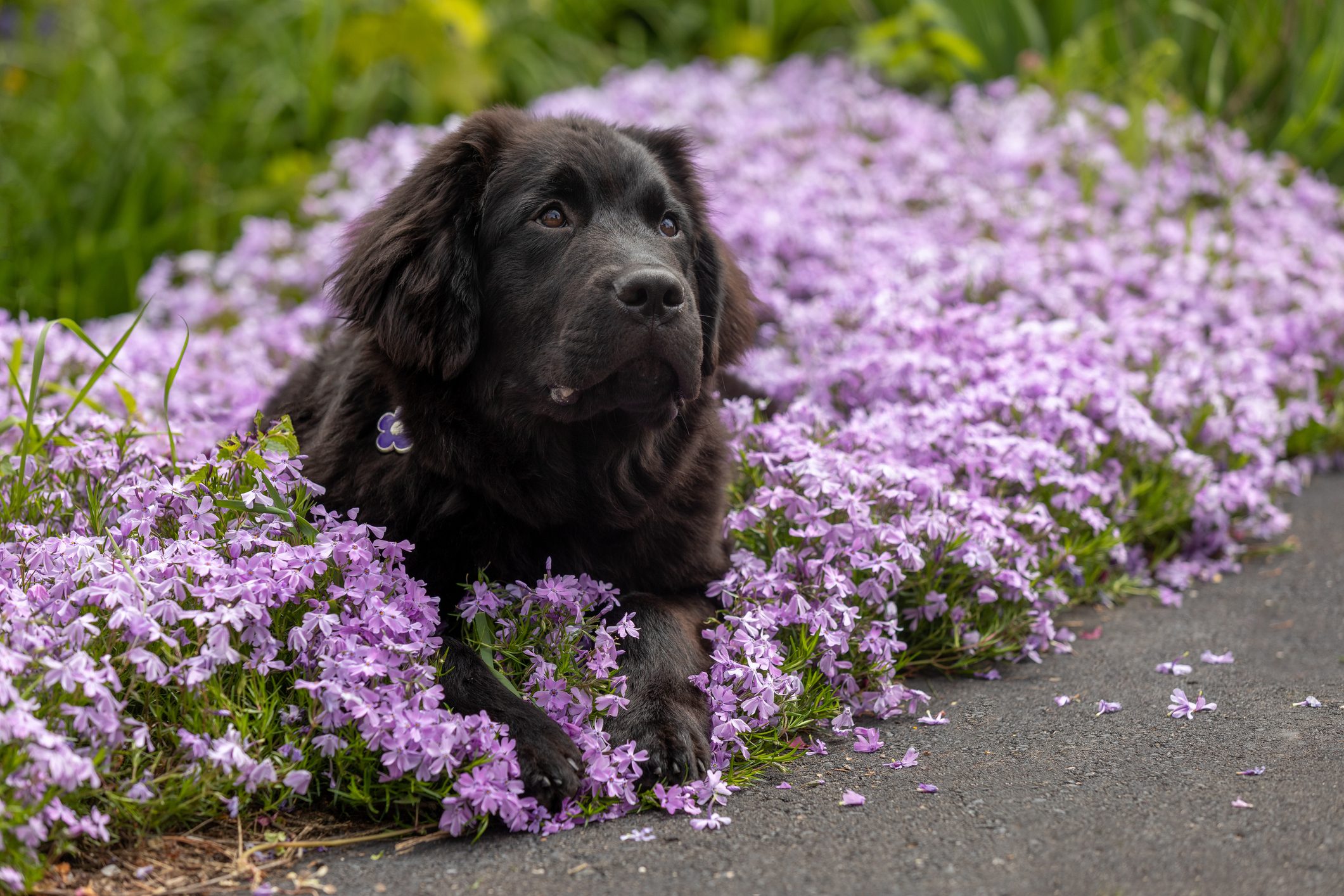
You can prevent dogs from rooting around in your flower beds by employing one of the following methods.
Our editors and experts handpick every product we feature. We may earn a commission from your purchases.Learn more.

You can prevent dogs from rooting around in your flower beds by employing one of the following methods.
Our editors and experts handpick every product we feature. We may earn a commission from your purchases.Learn more.
No matter how much you love your dog, you don’t want him or her digging under the fence or rooting around in your flower gardens. The digging can destroy your beautiful blooms, plus create a big mess. With a little planning and consistency, it’s possible to protect your garden from roaming pets while still giving them room to play and explore. From physical barriers and safe deterrents to designated digging zones and behavioral training, you can prevent dogs from rooting around in your flower beds by employing one of the following five methods.
On This Page
Install flower bed fencing in order to prevent dogs from entering your garden. Or, create a temporary barrier out of chicken wire. Drive a few stakes into the ground around your flower beds, then wrap the chicken wire around the stakes. When you don’t want the wire visible, roll it up and remove it.
“If only temporary fencing is needed (for a puppy, say) using an x-pen (aka exercise pen), chicken wire or snow fence can work to block animals during their “chew everything” stage,” Dr. Tina Wismer, senior director of toxicology at American Society for the Prevention of Cruelty to Animals (ASPCA) says. “To keep cats and dogs from digging you can place chicken wire flat on the dirt to discourage this behavior. Cover with a little mulch and it is hidden from view.”
Dogs often dig due to boredom. To prevent your pet from heading to your flower beds for some fun, create a play zone all their own. Dig out a shallow area in your yard, then fill it with sand and some dog toys. This dog-friendly landscaped play area should be much more enticing than your flower beds.
“Peppers, citrus, vinegar and commercial pet repellents smell bad to dogs and cats and keep them away from the garden,” Wismer says. “Always make sure that the item is safe for plants (and people if using near edible plants).” Potentially toxic repellents to avoid include moth balls and coffee grounds. “Moth balls can be dangerous to pets. One type can cause neurologic signs (paradichlorobenzene) and the other can cause anemia (naphthalene). Coffee contains caffeine and ingestion of the grounds could cause vomiting, agitation, high heart rates, tremors and seizures,” she adds.
Not surprisingly, dogs don’t like to get poked. Save all of your prickly clippings, such as those from rose bushes, hawthorns or barberries, and toss around the edges of your flower beds. If you don’t like the “rustic” look of branches strewn about, tuck the branches under the bottom leaves of your flowers.
In the same way you can teach a dog to sit and roll over, you can also teach them to stay away from your flower beds. It takes some time and consistent reinforcement, but once your dog learns that your flower beds are off-limits, you should never have problems again.
Many dogs have the instinctual behavior to dig, and gardens present a perfect place to do so with loose soil and interesting smells. The garden is a place to get some shade or protection among bushes and flowers, and is a great hiding place for bones or toys.
Peppers and citrus plants naturally deter dogs.
Dr. Tina Wismer is senior director of toxicology at ASPCA.