


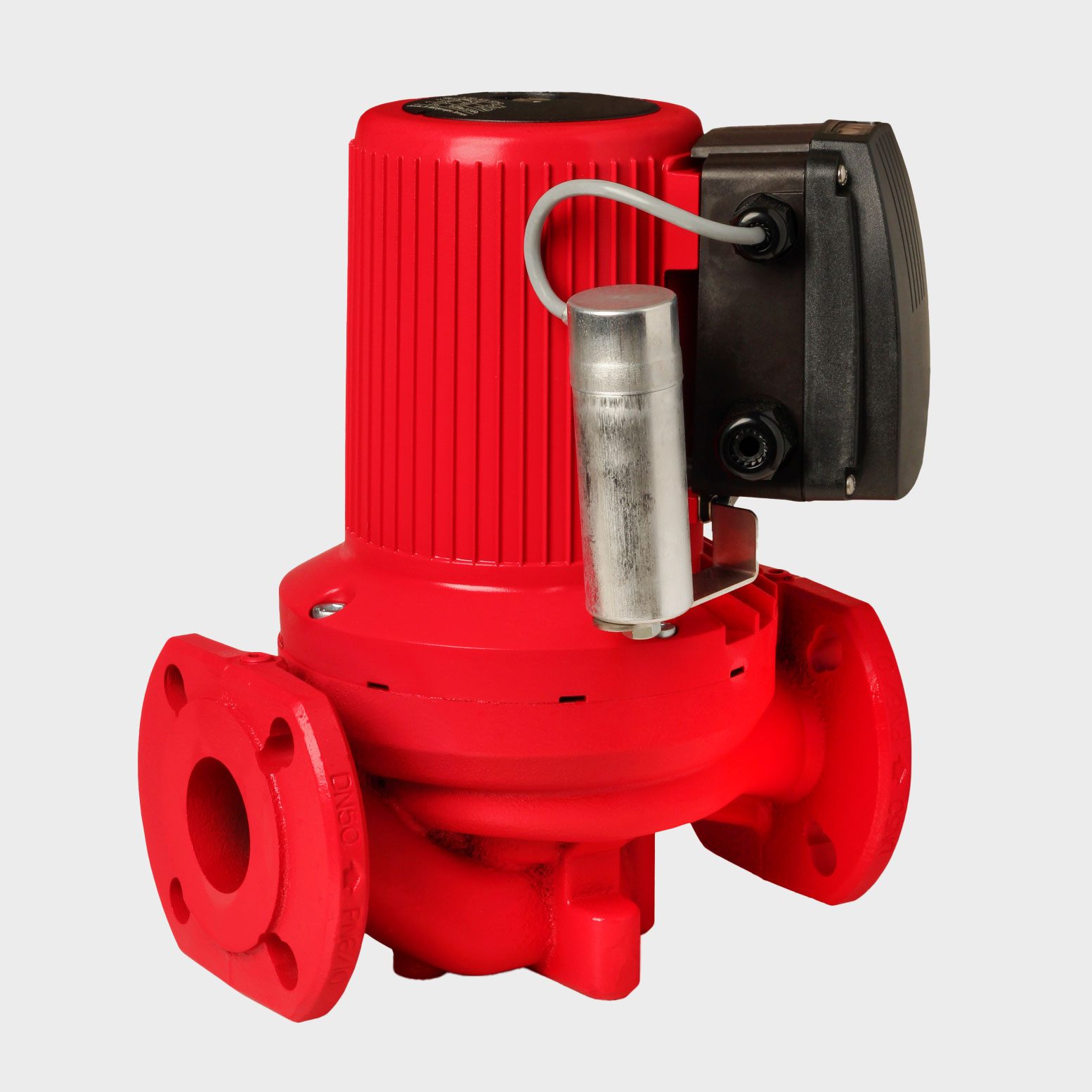
Say goodbye to waiting for hot water. A hot water recirculating pump provides a warm shower on demand.
When you turn on the tap, how long does it take to get hot water? If it takes a long time, you’re wasting money and water, not to mention time and patience. One solution ensures you’ll never have to wash your hands in cold water again: a hot water recirculating pump. This handy device is a game changer.
You probably don’t need a recirculating pump if your water heater is close to the kitchen and bathroom, but in many houses, it’s far away. That means all the cold water in the pipes has to run out before you get hot water. A recirculating pump fixes that, and here we’ll tell you what you need to know about this plumbing add-on.
On This Page
What Is a Hot Water Recirculating Pump?
A hot water recirculating pump attaches to your water heater. It circulates hot water throughout your pipes to keep it readily available at the faucet. “It’s a real convenience upgrade, generally in larger homes where fixtures are far from the water heater. It saves time and water,” says home improvement expert Farook Member. A recirculating pump isn’t an energy hog, either, adds commercial plumber Umberto Griccino, who says it consumes about as much energy as a 25-watt light bulb.
Many systems turn on and off automatically to keep the water within a specified temperature range, some run on a timer and some systems even sync with your routine or motion sensors to cut waste even more, according to Jimmy Hiller, who runs a plumbing, electrical and HVAC company. All of these options use less energy than a continuously-running system.
(Psst! Here’s how to save money this winter on your energy and water bills.)
Types of Hot Water Recirculating Pumps
There are two main types. One requires an additional plumbing line to send unused water back to the water heater after it drops below a set temperature. The other returns the unused heated water via your existing cold water pipes.
The first type or recirculating pump is best for new construction. Along with the usual hot and cold lines, a plumber will install a third pipe to return the unused hot water, usually between the water heater and the furthest fixture. A full system like this is expensive and difficult to install in an existing home.
The second type, called a comfort system, is cheaper and a much easier choice for existing homes, says Griccino. The unused heated water runs back through the cold water pipes. Since it uses the same pipes for warm and cold water, there’s one major drawback: It takes longer to get cold water. A system with a temperature sensor can correct this problem.
Why To Get a Hot Water Recirculating Pump
According to the National Resources Defense Council (NRDC), studies suggest that “over 10 percent of all the hot water drawn for showering in a typical single-family home is wasted waiting for hot water to arrive.”
Much of the water sitting in those pipes was once heated. Without a recirculating pump, it’s left in the pipes to cool. That’s a lot of water, energy and money down the drain.
How much money does a hot water recirculating pump really save? While it can save some, it’s mostly for convenience. “In 12 months, it can save you roughly $120,” says Griccino.
A recirculating pump is relatively affordable, though. So even if you save less than $120, it can still pay off quickly. The time saved might be enough to justify the initial cost, even without a major reduction in utility bills.
To save more water, combine a hot water recirculating pump with water-efficient appliances and fixtures. A dual-flush toilet and efficient shower head go a long way toward cutting utility bills.
Hot Water Recirculating Pump Costs and Considerations
Griccino says a hot water recirculating pump costs about $200, and many comfort systems can be DIY installed. Better to go with professional installation if you need new plumbing.
DIYers should install the pump near the water heater and power source, and the sensor valve at the fixture furthest from the heater, Griccino says. “From a plumbing point of view, it’s a moderate job, often one to three hours if the setup is compatible,” adds Hiller. “Some models attach right at the water heater or under the farthest sink. If there isn’t a return line, there are systems that can use the cold water line as a return.”
Hot water recirculating systems need little maintenance. Keep an eye and an ear out for leaks or unusual sounds. If you do run into a problem, Griccino advises calling plumber immediately. Barring any malfunction, you should get about 10 years of use from the pump.
FAQ
How much do hot water recirculating pumps cost?
Griccino says about $200, but current prices are actually between $250 and $300. If you have one professionally installed, expect to pay the plumber at least that much, putting the final cost between $500 and $600.
Do hot water recirculating pumps run all the time?
No. Some respond to a sensor that monitors the water temperature and switch on when the temperature falls below a preset level. Others are controlled by timers and still others use smart technology to learn your habits and switch on when you’re most likely to need hot water.
About the Experts
- Farook Member is the Director and a Home Improvement Expert at QS Supplies, a plumbing supply outlet based in the UK.
- Umberto Griccino is a commercial plumber with 14 years experience and a consultant for HouseGrail.
- Jimmy Hiller is the CEO and President of Happy Hiller, a franchise Plumbing, Heating and HVAC service with outlets throughout the Southeastern U.S.
Sources
- Natural Resources Defense Council: Waiting for Hot Water; (2014)

