


Ever notice some cars only have a license plate on the back while others both? It comes down to how different states balance safety, cost, and design.
If you’ve ever driven across state lines and noticed that some cars have license plates on the front while others don’t, you’re seeing one of those quiet differences between states that most people never think about. The rules for displaying a front and rear license plate vary across the country, and the reasoning behind those rules depends on more than just tradition.
Some states require both plates for safety and easy vehicle identification, while others consider the front plate unnecessary or even unattractive on newer car designs. Cost also plays a role since producing and distributing an extra plate for every vehicle adds up quickly.
If you’ve ever wondered why your state falls on one side or the other, you’re not alone.
How Two Plates Became the Standard
Back in the early 1900s, almost every state required cars to have both a front and rear license plate. It made sense at the time because the only way to identify a vehicle was by reading its plate, whether it was coming toward you or driving away.
As technology improved, states began to question if two plates were really necessary. Digital registration systems, license plate readers, and advanced cameras allowed police to identify cars from nearly any angle. Producing just one plate also reduced costs and waste, so many states saw it as an easy way to modernize without compromising safety.
States That Require Front and Rear License Plates
Many states still require two license plates because it makes tracking vehicles easier for law enforcement. A front plate provides officers and traffic cameras with an additional means of reading a car’s number when it’s approaching from the front, which aids in everything from toll collection to crime-solving.
The states that require both front and rear plates are: California, Colorado, Hawaii, Idaho, Illinois, Iowa, Maine, Maryland, Massachusetts, Minnesota, Missouri, Montana, Nebraska, Nevada, New Hampshire, New Jersey, New York, North Dakota, Oregon, Rhode Island, South Dakota, Texas, Utah, Vermont, Virginia, Washington, Wisconsin, and Wyoming.
Police in these states say two plates make a difference. They can spot stolen cars faster, confirm registrations more easily, and identify vehicles involved in hit-and-runs. It’s a straightforward system that remains effective in keeping roads and drivers safe.
Why Some States Only Require Rear License Plates
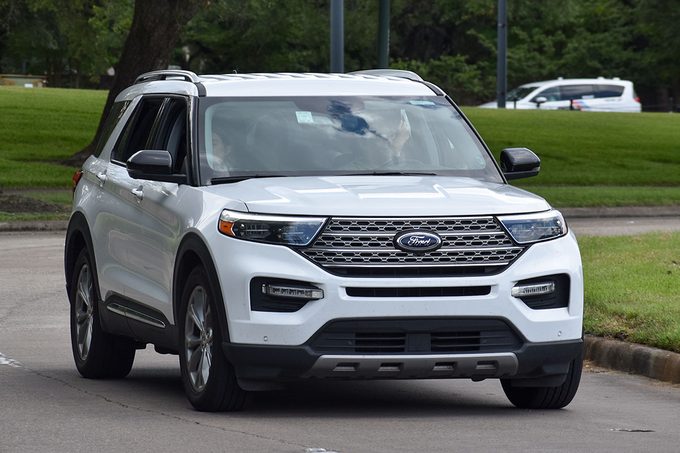
A smaller number of states believe one plate is sufficient. Their reasons usually focus on saving money and simplifying the registration process. Producing one plate instead of two saves states millions each year, and it’s one less thing for drivers to worry about installing.
There’s also a design argument. Many modern vehicles, especially sports cars and electric models, lack a natural space for a front license plate. Installing one often means drilling holes into the bumper or blocking sensors used for parking assistance or cruise control. Car owners and manufacturers prefer the cleaner look of a front plate–free vehicle.
Rear-only states argue that with modern tracking systems, there’s no longer a strong need for a front plate. Cameras, radar, and digital records make identifying cars easier even from behind.
Why Drivers Care About the Difference
Car owners tend to have strong opinions about this topic. Some love the clean look of a vehicle without a front plate, especially if they drive a newer or high-end car. Others appreciate the added visibility of having two plates, knowing it can help officers in emergencies or traffic stops.
Law enforcement and safety advocates often prefer two plates for practical reasons. Drivers and car manufacturers prefer one for aesthetic and design reasons. Both sides make fair points, and that’s why state laws continue to differ. In fact, a few states have switched back and forth over the years depending on changing budgets, local opinions, and evolving technology.
If you move to a new state or buy a car from somewhere else, it’s a good idea to check your local license plate requirements before you start driving. In states that require both front and rear license plates, missing one can result in a fine or a warning.
For those living in rear-only states, ensure your single plate is properly attached, easily readable, and visible at night. Even though it may not seem like much, that one plate still serves an important purpose in keeping roads safe and cars identifiable.
Either way, that small metal rectangle is a key part of how we keep vehicles traceable and roads orderly. Whether your car wears one plate or two, it plays a quiet but important role every time you drive.
Related
- Do You Know What That Little Button on Your Seat Belt Is For?
- What Those Lines on Your Backup Camera Really Tell You
- Here’s What The Small Panel On Your Car’s Front Bumper Is For