


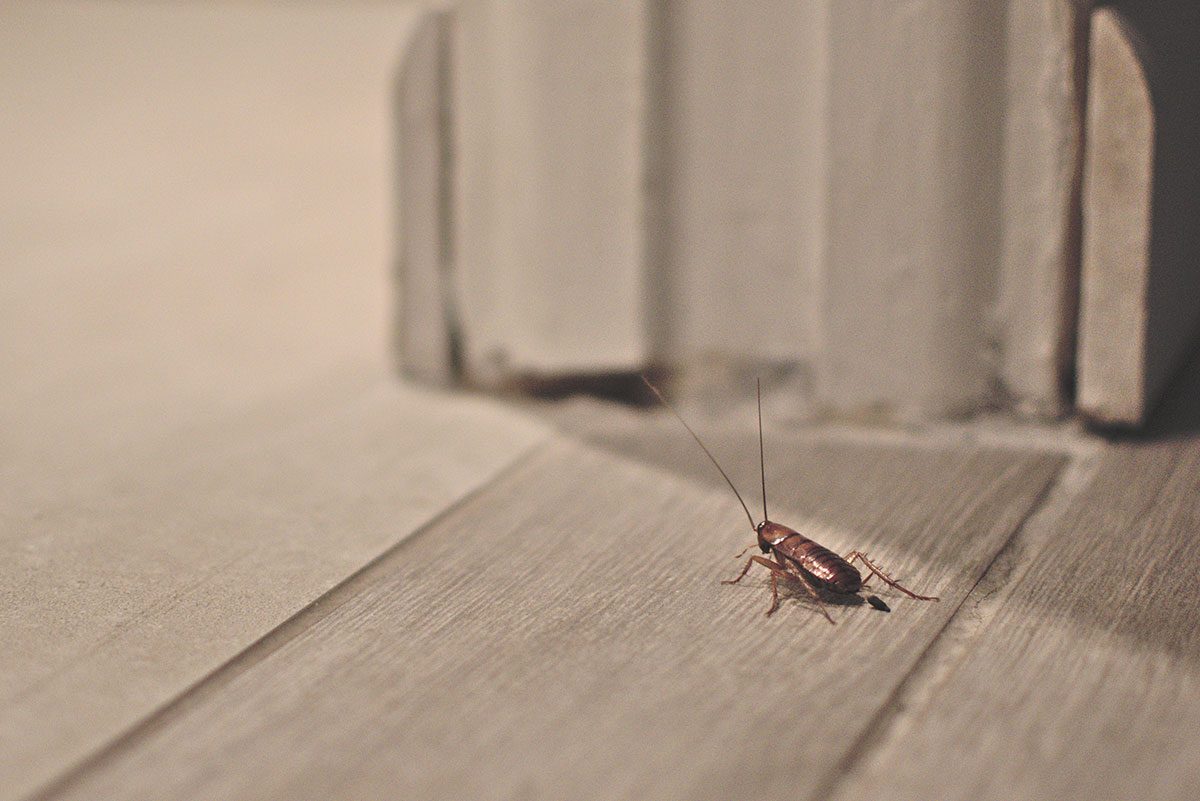
Cockroaches are an unsavory site for a home or business owner. How dangerous are they really though?
Cockroaches are an unpleasant pest to find in your home. Besides the initial shock of seeing one, there’s also the inevitable concerns about their effect on people, homes and businesses, as they can pose serious health risks.
According to the U.S. Environmental Protection Agency (EPA), cockroaches can transmit harmful bacteria like Salmonella, Staphylococcus, and Streptococcus. These microbes contaminate food or surfaces and can lead to several diseases. Also, a cockroach infestation can cause food safety concerns and jeopardize a business’s reputation in commercial environments like restaurants or food facilities.
Here’s what to know when dealing with roaches and the signs to watch for with expert insights from Dr. Chad Gore, entomologist and market technical director with Rentokil Terminix and Rachel Maccini, pesticide safety education coordinator at the University of New Hampshire Cooperative Extension.
On This Page
Dangers Cockroaches Pose to People
Besides being gross and a nuisance, cockroaches carry bacteria and can be problematic for those with asthma and related health problems.
Cleanliness
One of the first signs of cockroaches in the home is feces left behind. Known to eat anything in sight, cockroaches defecate everywhere, creating a breeding ground for ailments and microbes passed via their stool. Cockroach feces are usually small, dark brown or black pellets that look like ground coffee or black pepper. However, their shape and size can vary depending on the species of roach present in your home.
Diseases and bacteria
Cockroaches can indirectly pass illnesses and pathogens harmful to people through the food and surfaces they touch. It isn’t via direct transmission like a mosquito, but through their ability to grab and move these pathogens to places people and animals come into contact with. These include:
- Salmonella
- Staphylococcus
- Streptococcus
- E. coli
- Pseudomonas aeruginosa
- Klebsiella pneumoniae
Allergies and asthma
Many parts of the cockroach, including their saliva, feces and any part of their body that sheds, can cause allergic reactions or asthma irritations similar to dust allergies. “Children in particular can be at risk”, says Maccini.
It’s important to create a clean environment to avoid a cockroach infestation. “While cockroaches are not directly tied to the transmission of disease, they do often visit some very unsanitary conditions. As a result, they have the potential to mechanically transfer any number of disease-causing organisms, including various bacteria, viruses, and fungi,” says Dr. Gore.
Bites
Omnivores that feast on plants and meat, cockroaches typically will not bite people unless provoked or put into a dangerous situation. If a cockroach bites, you will notice skin irritation and swelling around the site. Their bites look like most other bug bites, with a small pink raised bump.
As a nocturnal pest, cockroaches most likely will bite at night near where they find food residue (mouth, face, nails, etc). Their bites are generally harmless because they don’t transmit pathogens that way. Treat a roach bite like any other wound:
- Wash and clean the site with soap to help remove bacteria and prevent infection
- Use ice on the site if additional swelling occurs
- Use an antihistamine cream if the bite itches
Dangers Cockroaches Pose to Pets
Dogs and cats are much larger than cockroaches, which is why cockroaches make themselves scarce around them. Roaches themselves are not poisonous, so your pet eating a clean roach most likely will not be an issue. With any household pest your pet consumes, though, there may be the chance that bacteria are transmitted. If you catch your dog or cat eating a cockroach, keep an eye out for any adverse reaction.
While a pet’s interaction with a cockroach is unlikely to be harmful, the chemicals and poisons used to kill roaches can be harmful to pets. Keep roach toxins and poisons out of reach.
“Using cockroach pesticides around pets poses risks such as poisoning, skin irritation, or respiratory issues, especially if the chemicals are ingested or inhaled. Common insecticides like boric acid, pyrethroids, or bait gels can be toxic to animals if not used properly”, says Maccini.
Cockroach Dangers to Property and Businesses
As carriers of disease and bacteria, roaches create an unsanitary and unhealthy environment for people. No one wants cockroaches in their restaurant or small shop.
If you see signs of cockroaches, act quickly to mitigate the problem. Learn the steps to get rid of cockroaches (ahead), or hire an exterminator to evaluate the infestation and provide the best solution.
Tips to prevent cockroaches in your home with pets
Discovering roaches in your home creates an immediate dilemma for pet owners. While you want these unwelcome pests gone quickly, your pets’ safety should be your priority. Fortunately, many effective pet-safe roach control methods are available for your furry family members.
“When used according to the label, insecticides used to treat cockroaches can be safe to use around pets. It’s important to read and follow the Directions for Use section of the product label. It’s best practice not to place or apply insecticides in areas where pets can easily encounter them,” says Dr. Gore.
He further adds, “Gel baits are the most widely used and efficacious insecticides against cockroaches. Since cockroaches tend to be fairly secretive and hide in cracks, crevices, and voids, placing those baits in those areas is best. Those areas tend to be inaccessible to pets, making them safer to use.”
Identify roach entry points
Cockroaches can squeeze through tiny spaces. Conduct a thorough home inspection, identify the entry points and seal them with pet-safe materials.
Use natural repellents
Common kitchen ingredients can be handy in your roach control efforts. For instance, peppermint oil is particularly effective when properly diluted, and cedarwood oil is also quite effective. Dilute essential oils before applying them to areas your pets cannot reach or lick. Allow treated surfaces to dry completely before allowing pets access to these spaces.
Use boric acid alternatives
Traditional boric acid baits can be risky when battling roaches in a home when you have furry companions. Commercial manufacturers now offer specialized pet-safe baiting systems that use less toxic ingredients to mammals while remaining lethal to insects. Remember that consistent application and regular replacement ensure maximum effectiveness.
Clean home strategy
One of the most effective pet-safe approaches to removing roaches is maintaining a clean home. ” Understanding both the health risks posed by cockroaches and the potential dangers of improper pesticide use around pets highlights the importance of integrated pest management—using safe, targeted control methods while maintaining cleanliness to reduce infestations and protect human and animal health,” says Maccini.
FAQs
Which businesses are most at risk for cockroach infestations?
Few businesses most vulnerable to cockroach infestations include multi-unit housing complexes, restaurants and commercial kitchens. In these environments infestations can quickly spread making professional pest control essential for effective eradication.
About The Experts
Dr. Chad Gore is an Entomologist and Market Technical Director with Rentokil Terminix. Chad has been with Rentokil-Terminix for more than 17 years.
Rachel Maccini is a Pesticide Safety Education Field Specialist with University of New Hampshire Extension, bringing over 20 years of experience in pesticide safety training, integrated pest management (IPM), and regulatory compliance.

