


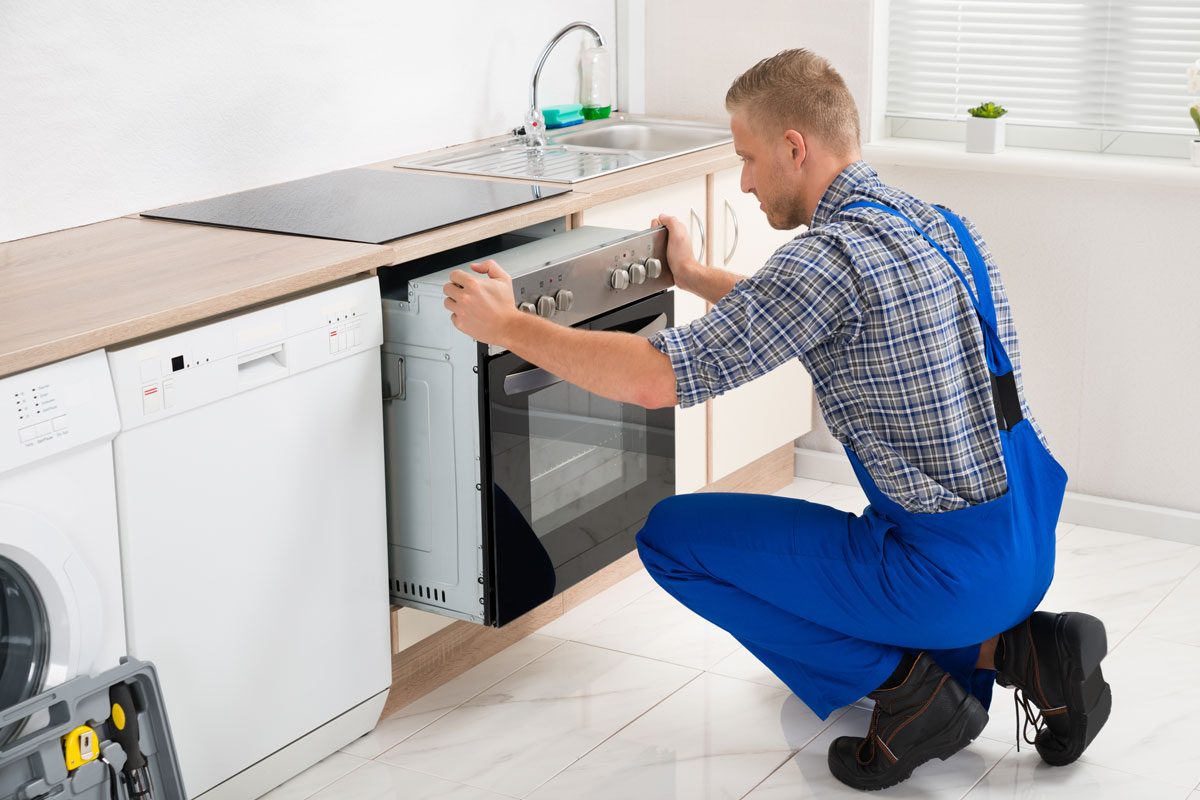
Know what to expect and how to handle the challenges of installing modern appliances in an older home.
So you’ve just moved into an older home, and it’s time to update the appliances. You measure everything perfectly, but when installation day comes, problems arise. They might be electrical or plumbing-related, but “when renovating or modernizing an older home, always expect the unexpected,” James Fleming, virtual appliance expert at Frontdoor advises. “Be prepared to deal with antiquated code and construction practices and years of previous homeowner repairs.”
I usually encounter electrical problems when installing modern appliances in an old home, such as two-prong outlets and overloaded circuits. Occasionally, it’s an old gas line or narrow water supply pipe that simply can’t support the demands of new appliances.
While these issues can be a hassle, they’re fixable. With the right updates, your system can be brought up to speed for proper installation. Ahead, learn what you might encounter, and how to prepare for it, with tips from Fleming; virtual plumbing expert at Frontdoor, Eddie Linares; and licensed electrician Matt Cross.
On This Page
What to Know Before You Install a Modern Appliance in an Old Home
Modern appliances are more powerful and complex than their outdated counterparts, so you’re likely to run into electrical issues during installation in an older home. “The area you’ll see the most problems is in old kitchens,” Cross says. “Back then, everything was wired together on a single circuit, but modern washers, dishwashers and microwaves draw a lot of power and will trip an older circuit.”
The current National Electric Code (NEC) requires all major appliances to operate on a dedicated circuit. Additionally, any kitchen appliance needs a ground fault circuit interrupter (GFCI)-protected, dedicated circuit. “Having appliances on dedicated circuits reduces the risk of electrical fires, protects the sensitive electronics inside your appliances from power surges and reduces excess loads with multiple appliances on one circuit,” Fleming says.
Besides electrical issues, older plumbing may present complications. “Plumbing challenges, especially in early 20th-century homes, can be quite daunting,” Linares says. “These older homes were built with plumbing systems that were not designed to anticipate or otherwise meet the demands of modern appliances.” Galvanized pipes, undersized drain lines, outdated gas pipes and corroded shut-off valves are all possibilities in an old home. “Low water pressure can [also] be a huge issue facing some of the specifications on newer, high-efficiency appliances being sold today,” Fleming says. These problems will need to be addressed before installing modern appliances.
Pros and Cons of Installing Modern Appliances in Old Homes
New appliances are a great upgrade, but installation can come with unexpected costs in an old home.
Pros
- Chance to modernize: If your home’s major systems need updating, this is a great excuse to make a start.
- Increase energy efficiency: Save money while reducing your carbon footprint with modern appliances.
- Increase safety: Modern building codes are updated to increase homeowner safety and reduce the risk of fire.
- Raise home value: Buyers appreciate an updated home, and this will reflect in the home’s value.
Cons
- Higher upfront installation costs: It can be prohibitively expensive to update electrical and plumbing systems before installing modern appliances in an old home.
How to Prep For Installing a Modern Appliance in An Old Home
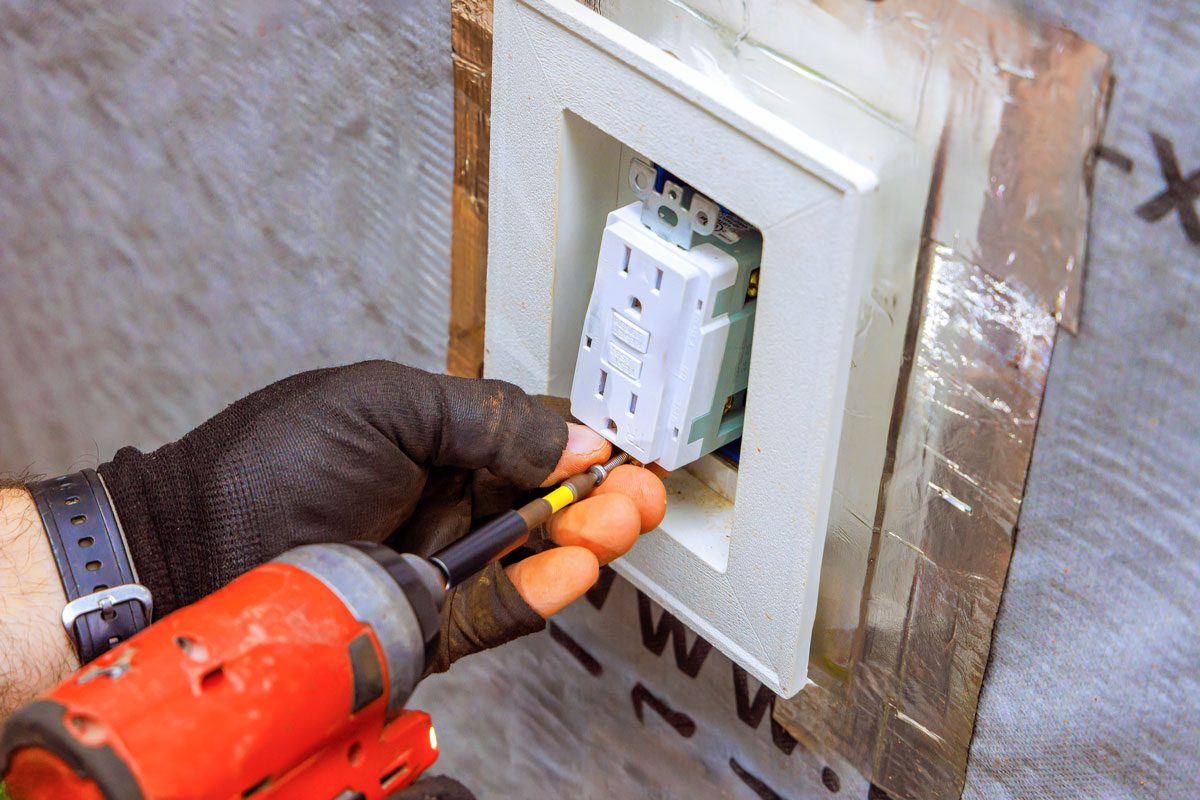
Installation often won’t be as simple as swapping out an old appliance for a new one.
Upgrade electrical systems
Add dedicated circuits for new appliances and add GFCI protection in kitchens and bathrooms. If there’s no room in your 100-amp service, upgrade to a 200-amp or higher service if necessary. “A 200 amp service is the new norm,” Cross says, and is frequently what’s needed to handle the electrical needs of a modern home. Also, upgrade any ungrounded outlets or wiring and replace aluminum wiring with copper.
Upgrade plumbing systems
Inspect existing water pipes and shut off valves. Anything that’s corroded or stuck should be replaced. Replace galvanized plumbing with copper or cross-linked polyethylene (PEX) pipes. Modern washing machines will need a 2-in. drain pipe, not the 1 1/2-in. pipe that’s likely in an older home.
If you have gas appliances, the gas lines can be outdated galvanized steel or iron pipes, instead of modern black steel pipes which are now code. Also, hire a plumber to ensure your home’s gas delivery capacity will meet the needs of your new appliances.
FAQ
How do I know if I can’t install a modern appliance in my old home?
Almost anything is possible, if you’re willing to spend the money. Warning signs that you may face costly issues when installing modern appliances in an older home include outdated two-prong outlets, limited electrical panel capacity (60 to 100 amps), old gas and water lines, and undersized drain pipes.
About the Expert
- Matt Cross is a licensed electrician in the State of Massachusetts. He has over ten years of industry experience in residential and commercial work.
- James Fleming is a virtual appliance expert at Frontdoor with over 25 years of industry experience.
- Eddie Linares is a virtual plumbing expert at Frontdoor with over 25 years in the field.